Permanent makeup
It brings harmony and balance back to the face by working on uneven or sparse brows, lip volume and the depth of the eyes.
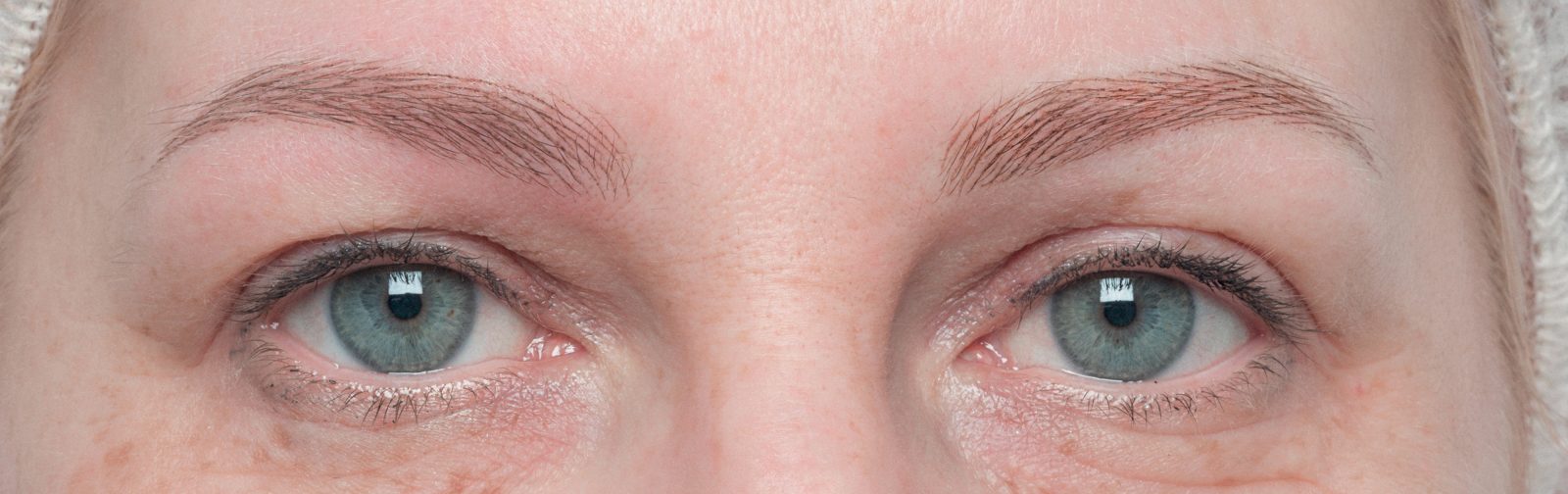 After
After
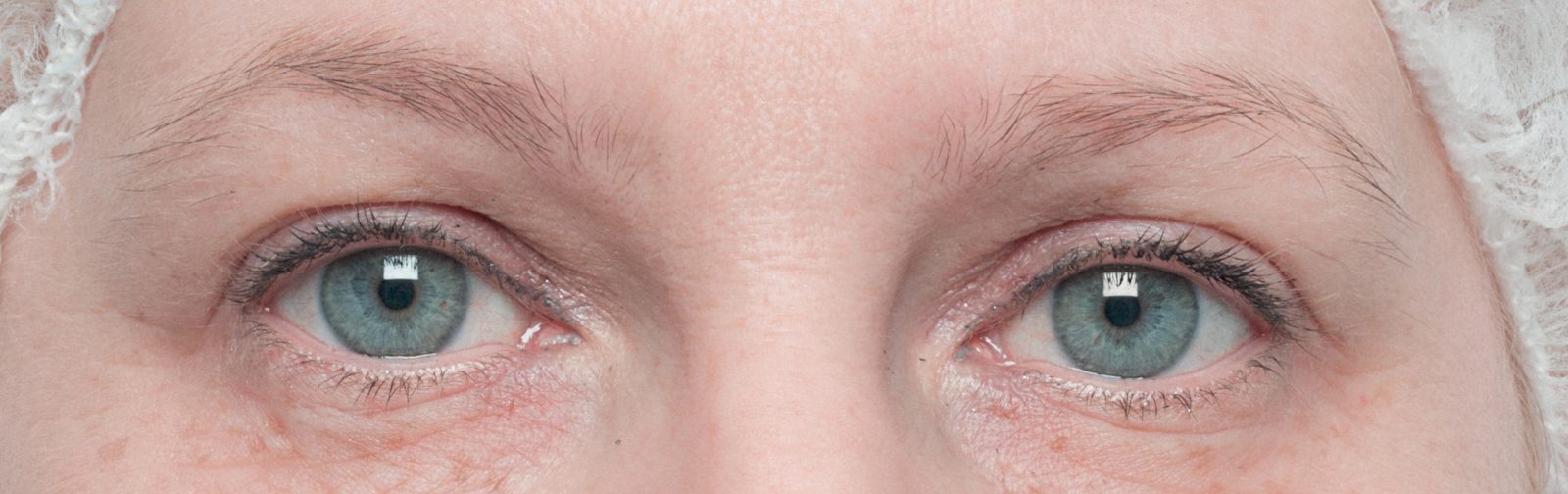 Before
What is permanent makeup
Permanent makeup is the branch of dermopigmentation that places coloured pigments in the skin – more precisely in the dermis – to enhance the face, especially the eyes, lips and eyebrows.
We call it permanent makeup, but we use resorbable pigments: the colour fades over time and needs touching up.
Its purpose is to restore harmony and balance and to make the eyes and lips more attractive and defined. Clients come to it for many reasons: to correct asymmetries, to redefine volumes, to highlight certain features, or to feel better about themselves after the visible effects of alopecia.
What matters is never to change the features or colouring of the face, but to bring them out with discretion and a natural look.
Permanent eyebrow makeup
The eyebrows frame the eyes. You can choose a natural look or a more defined one. Hyper-realistic techniques recreate the shape and colour of the original brow as faithfully as possible, while shaded or combination techniques aim for a more cosmetic, made-up effect.
Permanent lip makeup
The techniques used on the lips vary according to each client's needs. A lip outline is chosen when the lips are already well defined but the client wants to emphasise the contour, creating a lip-liner effect. Full-colour techniques restore the colour of the lips where it has faded. Reconstruction, on the other hand, means correcting an asymmetrical mouth and restoring its natural proportions.
Permanent eye makeup
Permanent eye makeup is for anyone who wants to bring out their eyes.
Lash line enhancement makes the eyes more striking and luminous without weighing them down with obvious makeup. Eyeliner, graphic or smoky, gives a more defined eye and can change its shape and set.
Who permanent makeup is for
Total or partial loss of hair affects women and men alike. The various forms of alopecia leave gaps in the brow line and can create quite visible asymmetries. On top of this comes the mechanical damage caused by plucking to follow the fashion of the moment. Permanent eyebrow makeup is also chosen by people who want to change their facial expression, which depends so much on the shape and position of the eyebrows.
The lips can be marked by severe cold sores, which leave lasting traces just as scars of various kinds do. They can also lose definition because their colour is too pale or their outline uneven. And then there is the simple wish for fuller lips.
The eyes benefit from permanent makeup when the lashes are sparse after unexpected loss or, more simply, when the client wants a more intense look: that is when lash line enhancement is chosen. Eyeliner is the better option to lift a downturned eye and give the gaze more presence.
Tattoo and permanent makeup: the differences
Although the technical gestures are similar, permanent makeup is quite different from tattooing: the effects, the pigments and the equipment all differ.
Tribal designs and heavy shading belong to the world of tattooing (not to be confused with eyebrow tattooing). Facial design skills are essential in permanent makeup, especially for the subtlest techniques such as hyper-realistic hair strokes.
Pigments can be permanent or resorbable. Permanent, synthetic pigments are normally used in artistic tattooing and sometimes, wrongly, in permanent makeup, where they cause irreversible damage such as colour shift towards blue or green and shapes that no longer suit the face as it changes over the years. The only way to remove them is with several laser sessions.
Equipment is crucial to a successful result. PMU machines with a controlled stroke should be preferred, to avoid colour migration and hypertrophic scarring. Needles must be very fine, with a taper suited to drawing very fine hairs.
Appointments
Permanent makeup always begins with a free first consultation, which can also be done by phone, covering every aspect of hygiene, technique and cost.
Contraindications
The treatment is not recommended during pregnancy and breastfeeding, for minors not accompanied by both parents, or for people with neurological or heart conditions or blood-clotting disorders. We use pigments that comply with the European REACH regulation and sterile single-use materials.
Damage
Does it damage the eyebrows? Properly performed permanent makeup places resorbable pigments in the dermis with a single-use needle. The hair's germinal papilla lies in deeper tissue and is not damaged in any way.
Pain
Does it hurt? Generally not. Pain perception is very personal, however, and where necessary numbing products can be used during the session to reduce discomfort.
Pigments
Are the colours harmful? The pigments used in permanent makeup comply with the European REACH regulation, in line with current rules.
Cost
The cost depends on the treatment (eyebrows, lips or eyeliner) and is set during the free consultation.
Frequently asked questions
What happens when my eyebrows start to turn grey?
Because it lasts for a limited time, the resorbable pigment lets you change the colour you first chose to a shade that better matches the natural changes in your brows, always keeping a natural result. This is another reason why permanent pigments are not recommended.
Is a yearly touch-up needed?
The pigments used in permanent makeup, technically described as resorbable, are gradually removed by a natural process called phagocytosis, and the treated area slowly returns to how it was: this is why a yearly touch-up is planned. Depending on the case, it can be needed anywhere from 6 months to 3 years, according to age, sun exposure, the technique chosen and lifestyle. This temporary nature is a real advantage, because it allows both colour and shape to be reviewed. The sun is a colour's worst enemy, oxidising the pigments: a lovely brown can turn red, grey or even green or blue over the years with tattoo inks. The face also changes over time, and a brow designed a few years ago may no longer suit its new shape. A temporary solution therefore keeps the colour right and the shape appropriate as the years go by.
What should I do before permanent makeup?
Although it is essentially an aesthetic treatment, permanent makeup is close to the medical field: it involves vascularised tissue and calls for the same precautions in managing possible contraindications. Every client must be aware of the potential risks, and it is the practitioner's job to explain them in detail, especially for minors, during pregnancy or breastfeeding, for people taking medication or with cardiovascular, blood clotting or neurovegetative conditions.
How many sessions are needed?
Good practice starts with a design stage, in which the pigments are chosen according to skin tone, makeup habits and eye and hair colour. The shape is then drawn directly on the face, based on a study of facial features and proportions. Once the shape has been agreed, the permanent makeup itself is carried out. After that, you wait about 28 days for the skin to recover fully, then assess whether a top-up session is needed to correct small imperfections caused by healing, which varies a great deal from person to person.
Tattooed eyebrows
Hair strokes, shading or both: how a natural brow is redrawn and how long it lasts.
Learn more →Lip tattoo
Outline, full colour or gloss effect: definition and colour that last.
Learn more →Permanent eye makeup and eyeliner
Lash line enhancement and eyeliner for a deeper look without daily makeup.
Learn more →Results
52 photos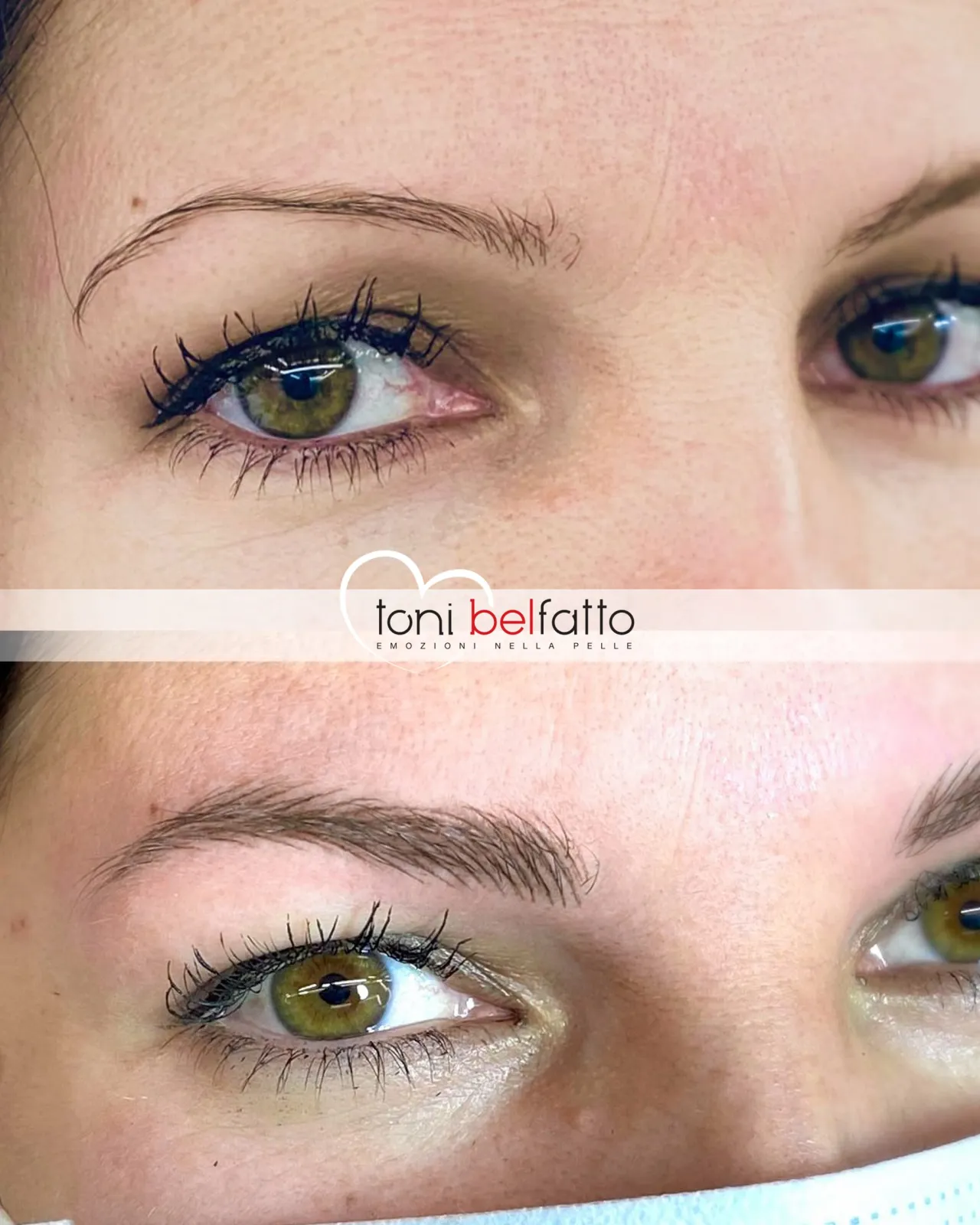
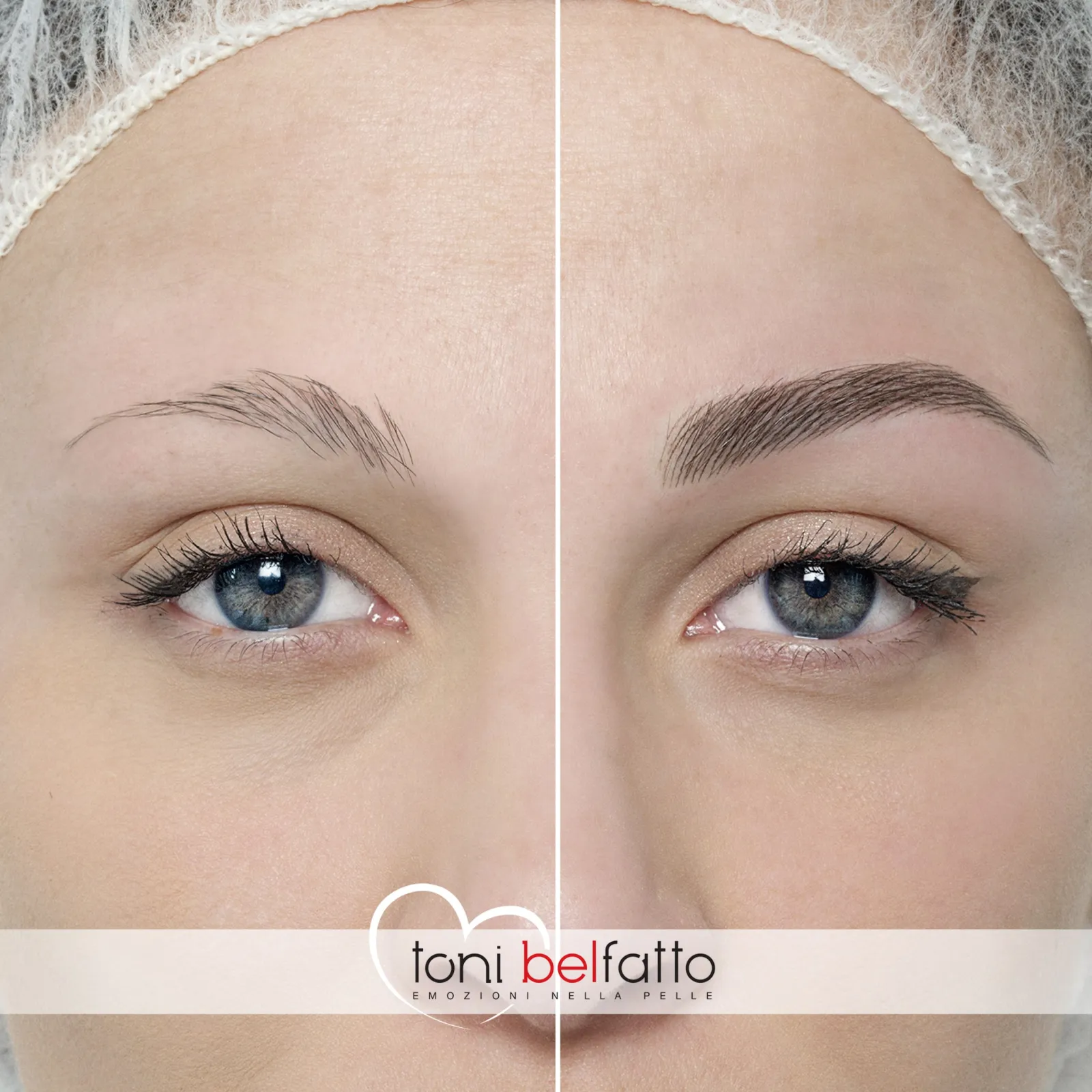
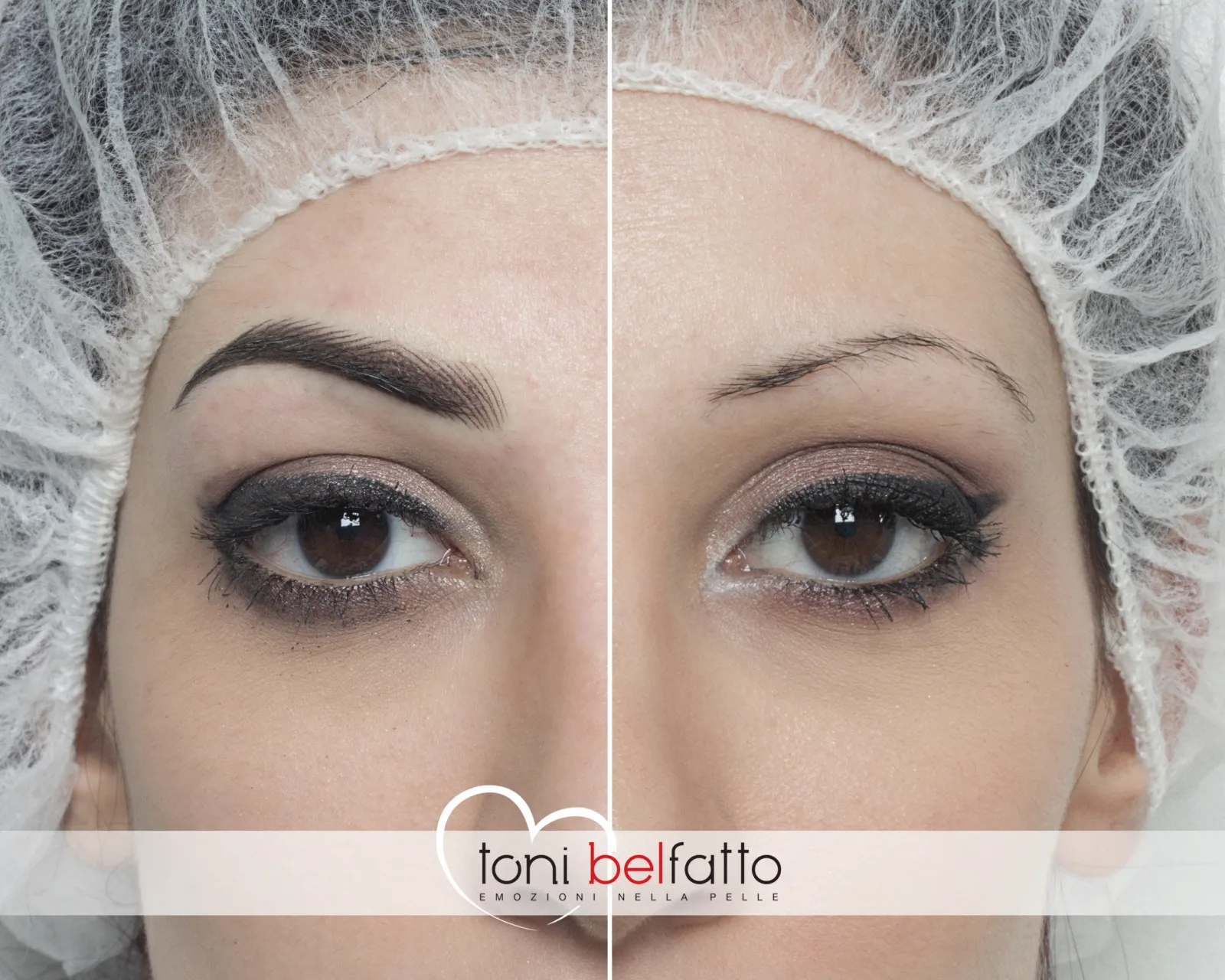
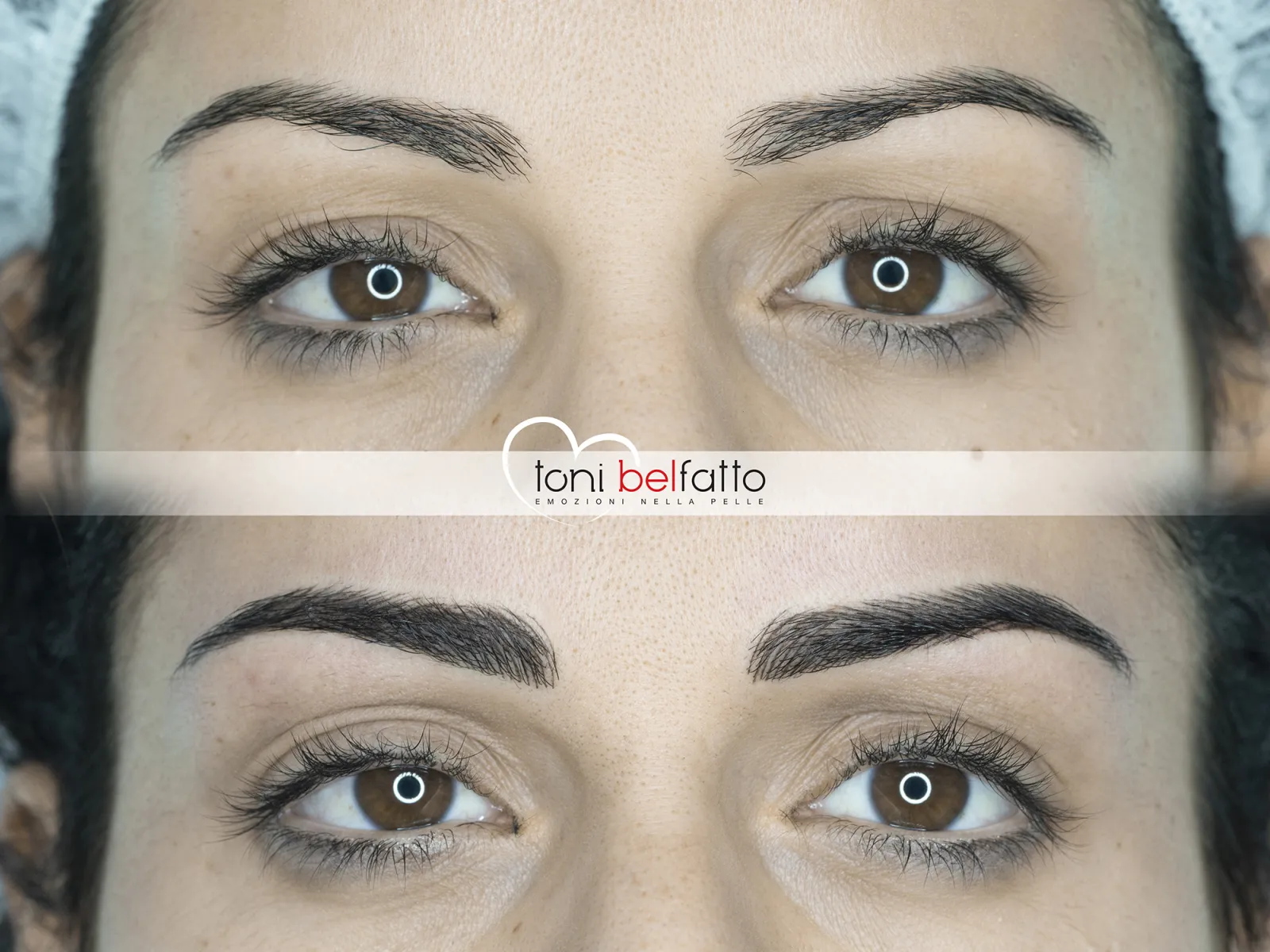
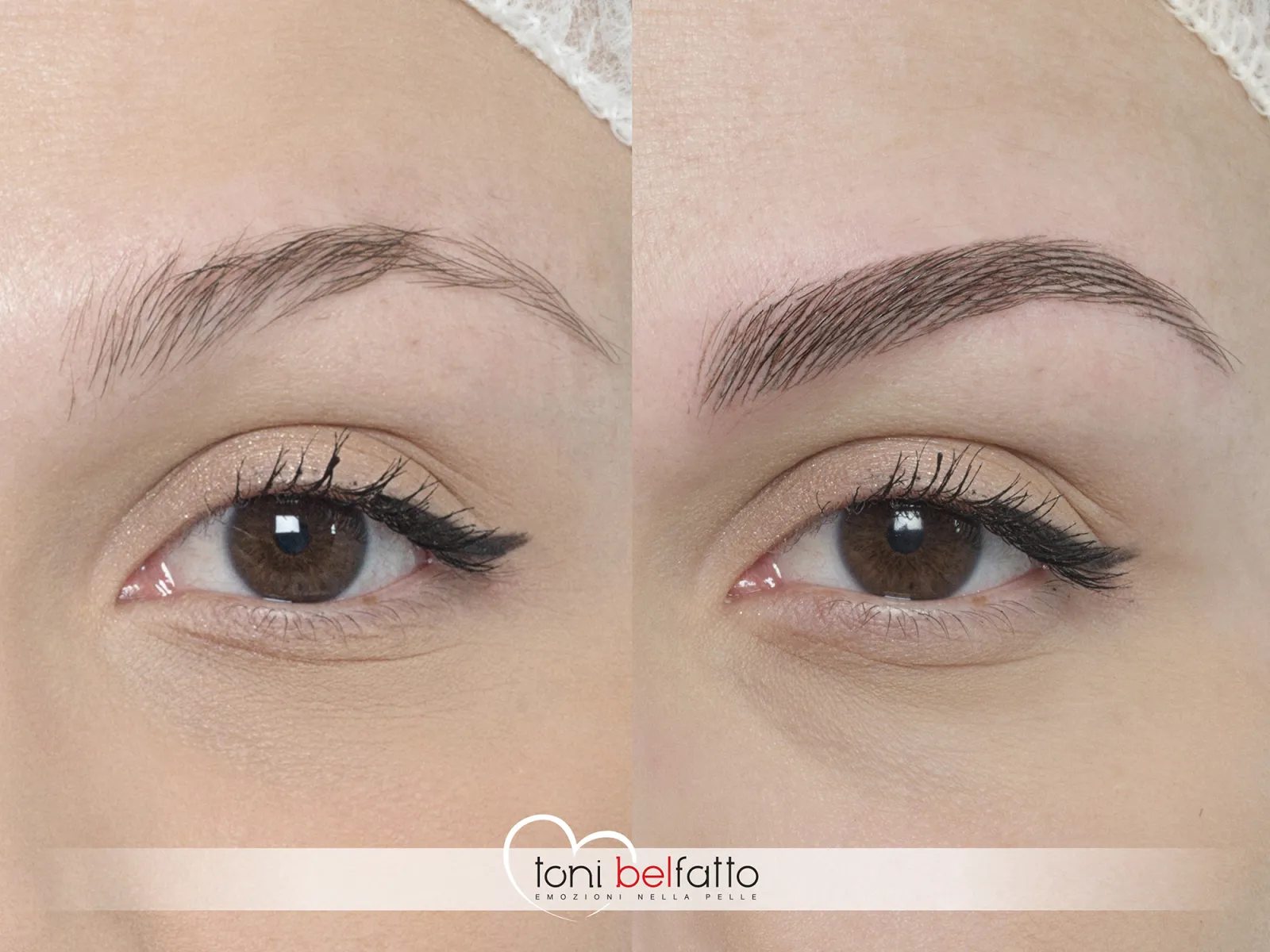
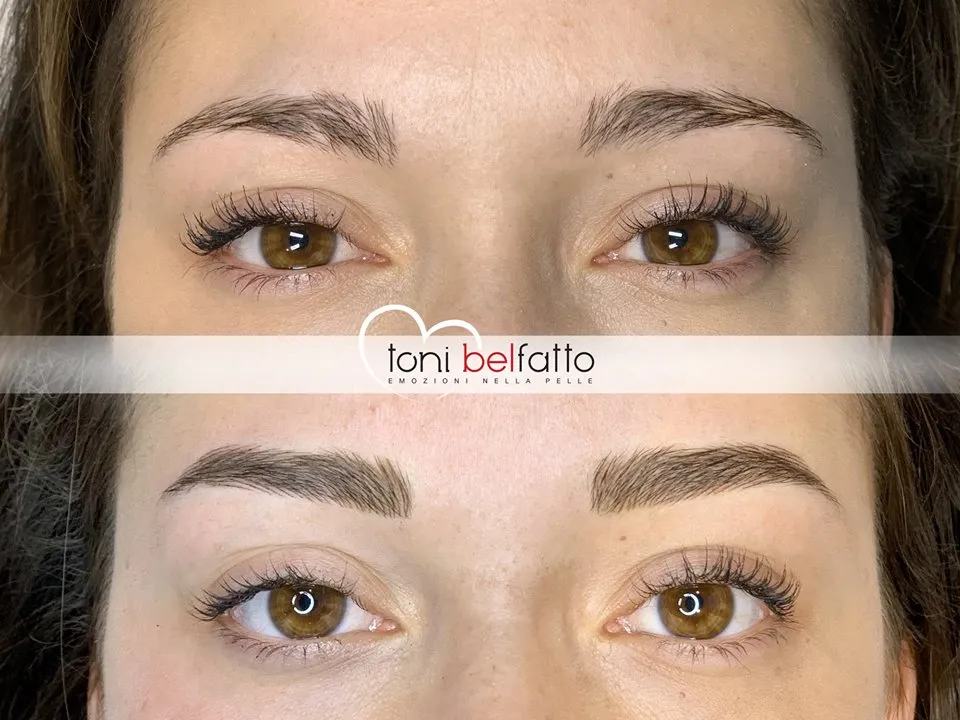
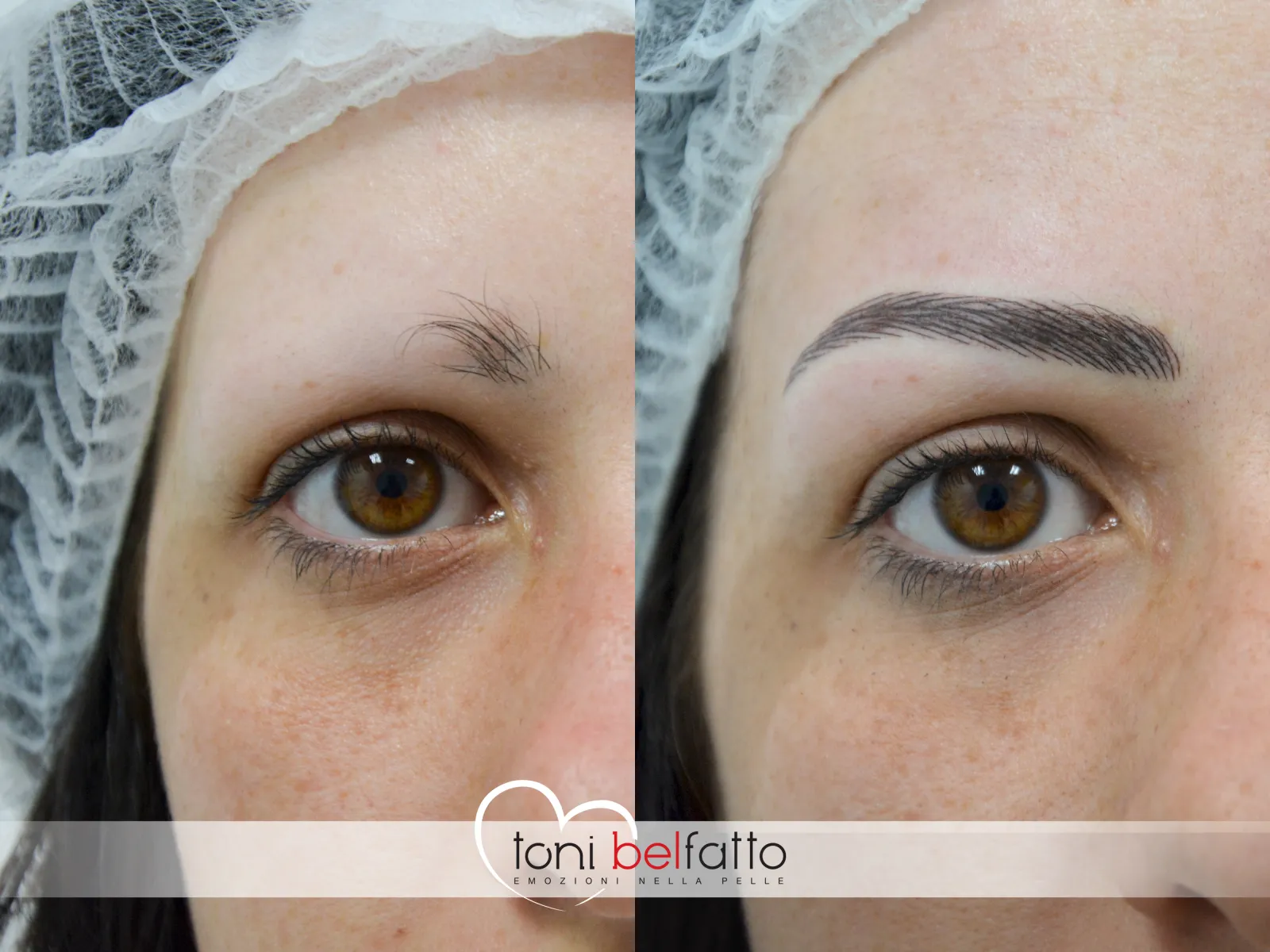
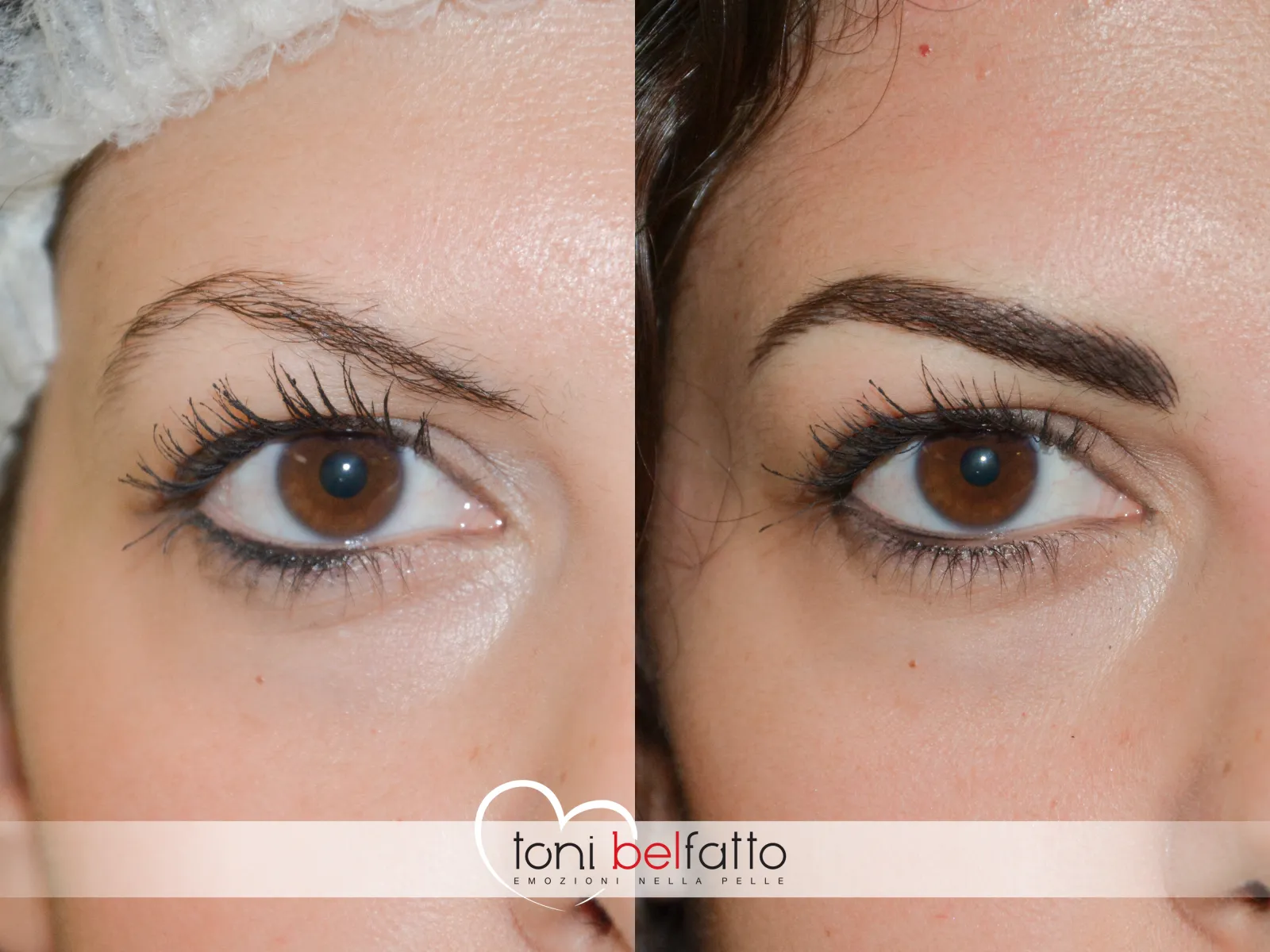
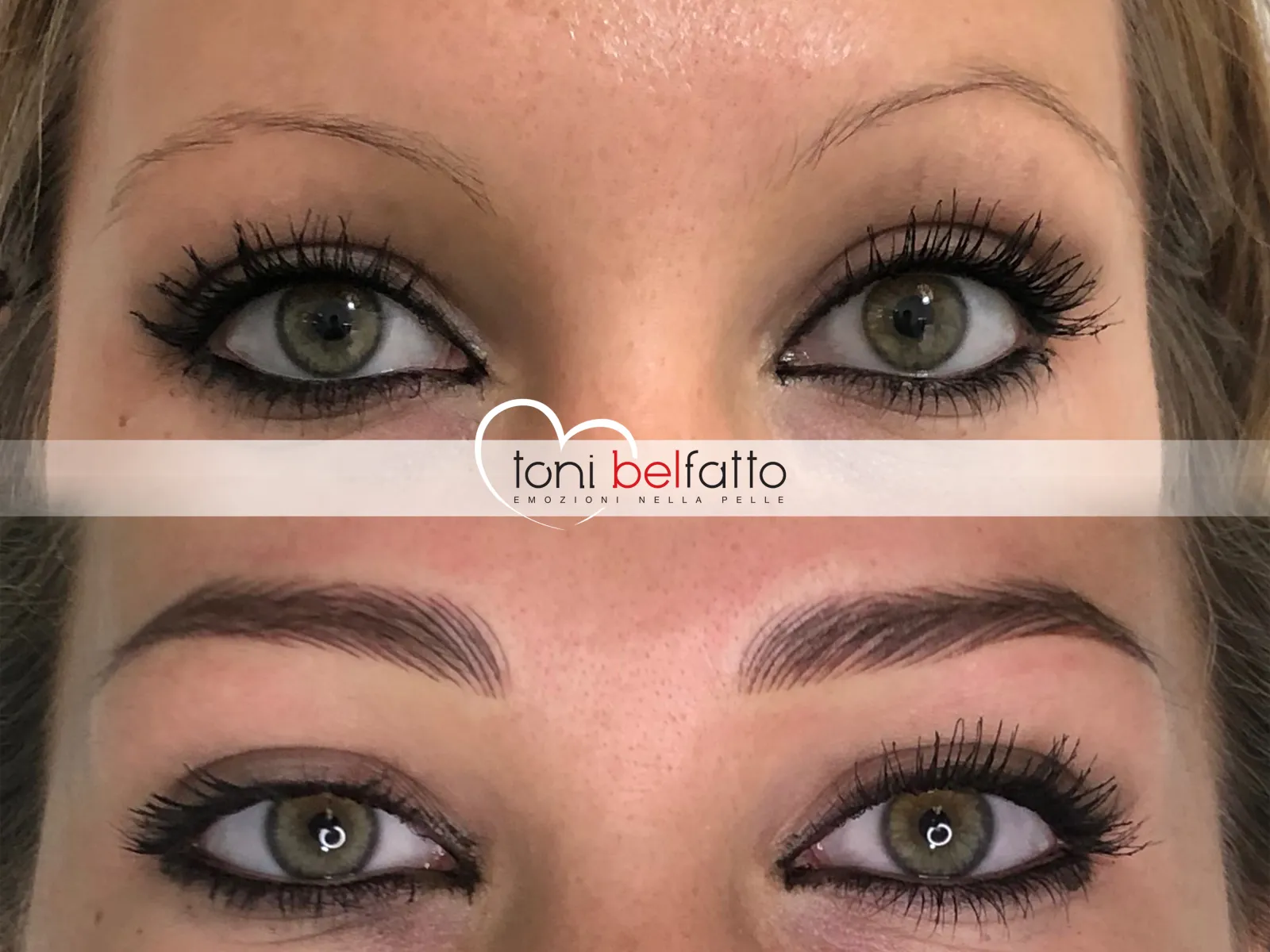
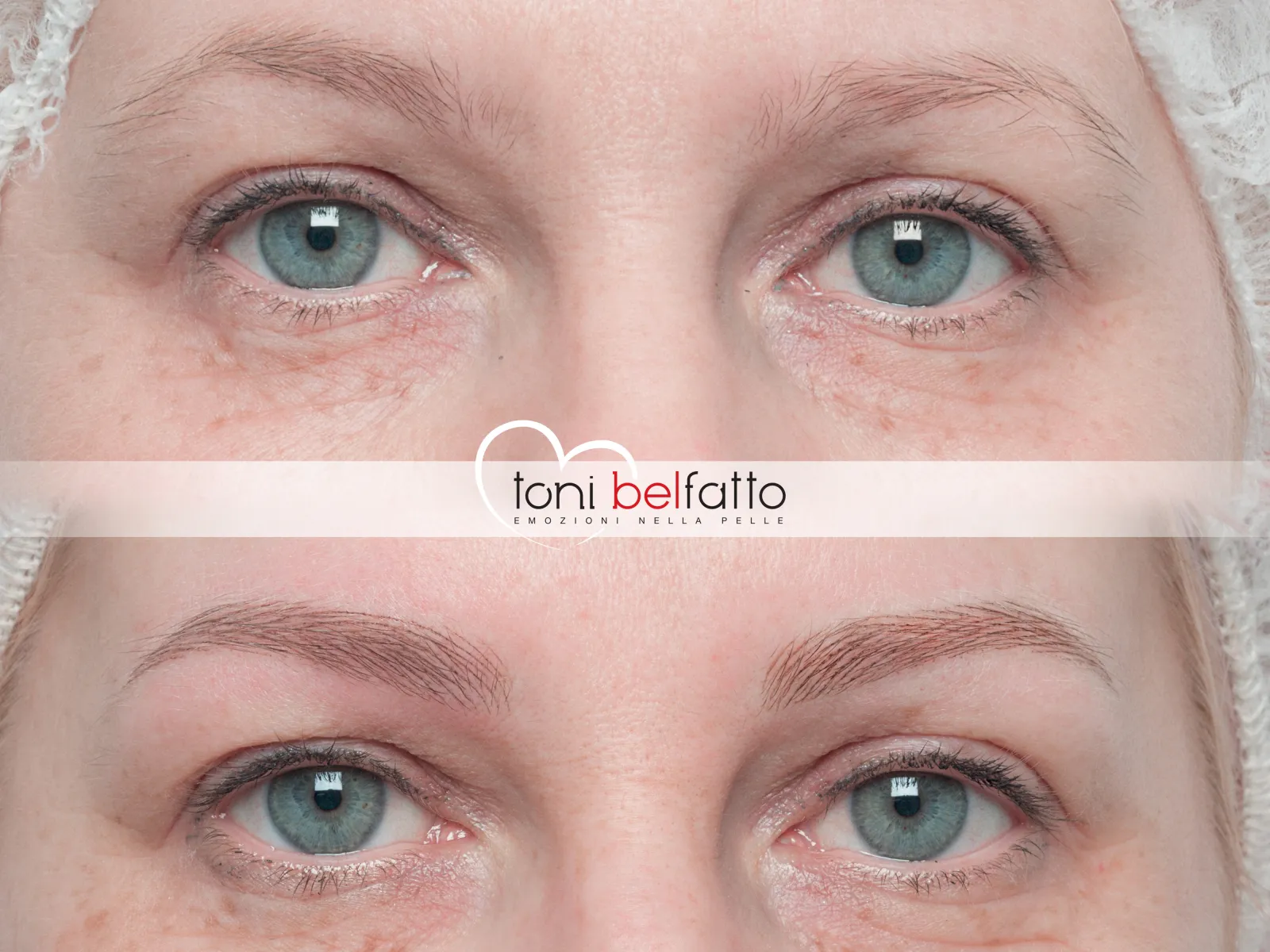
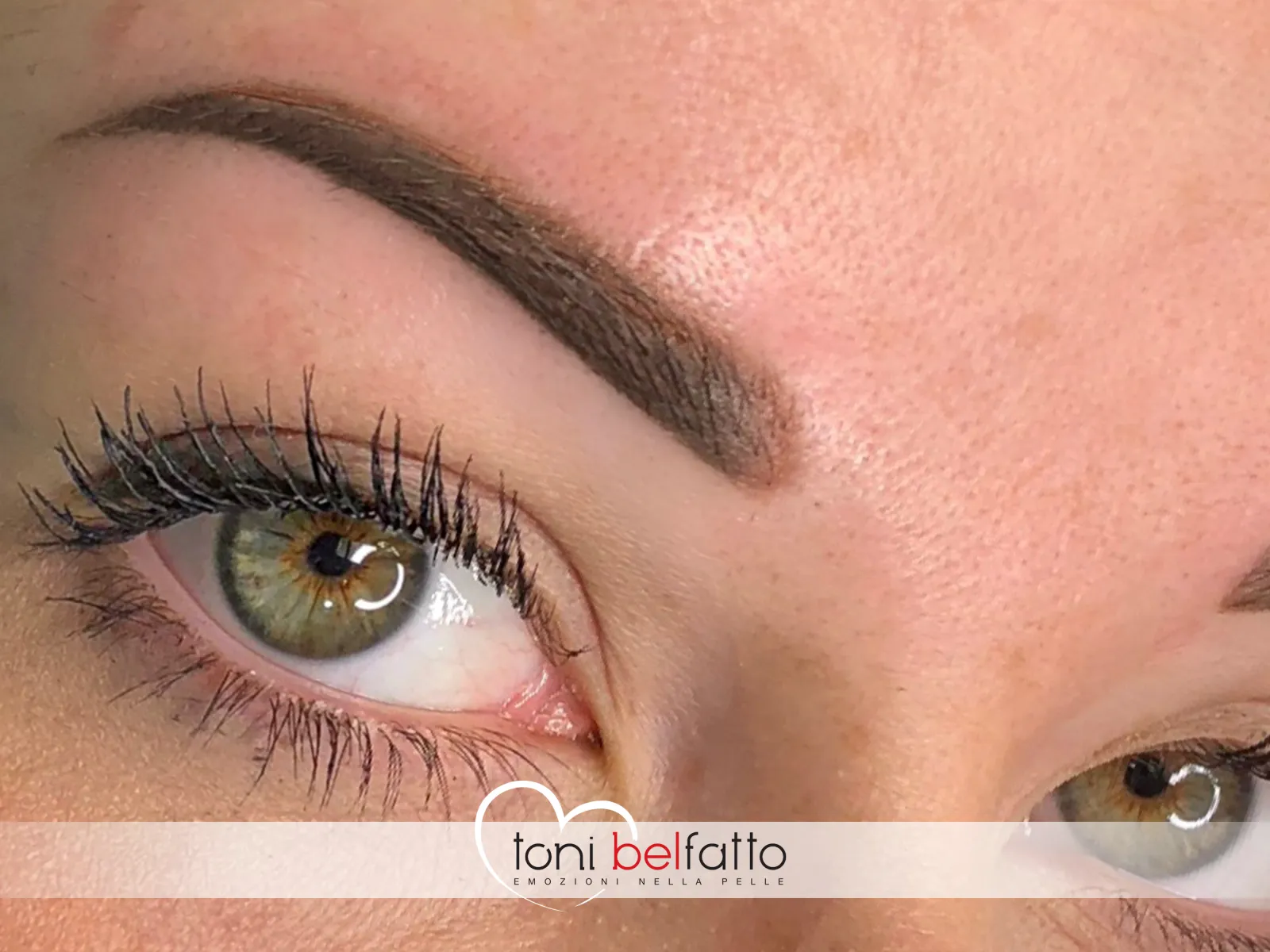
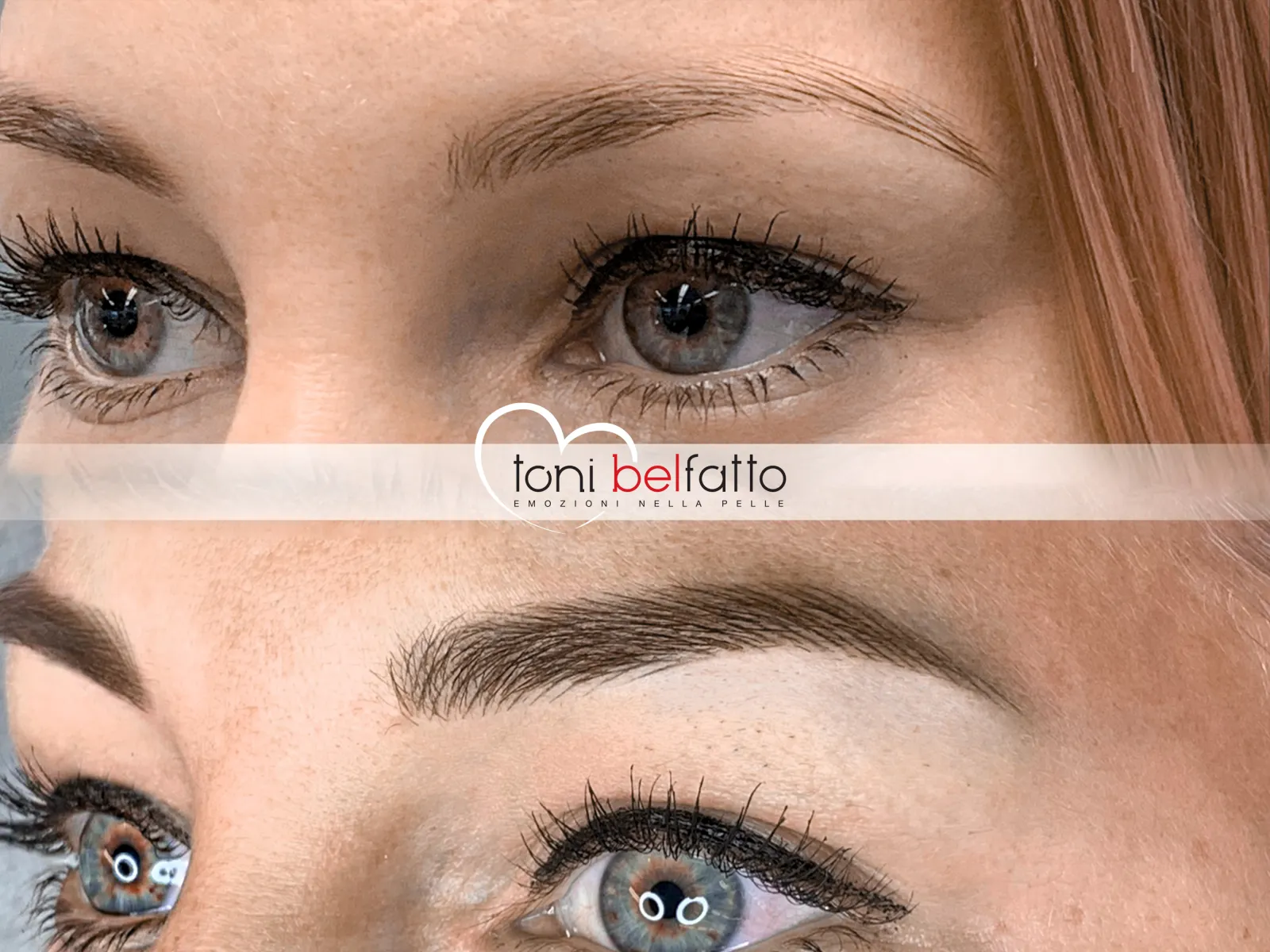
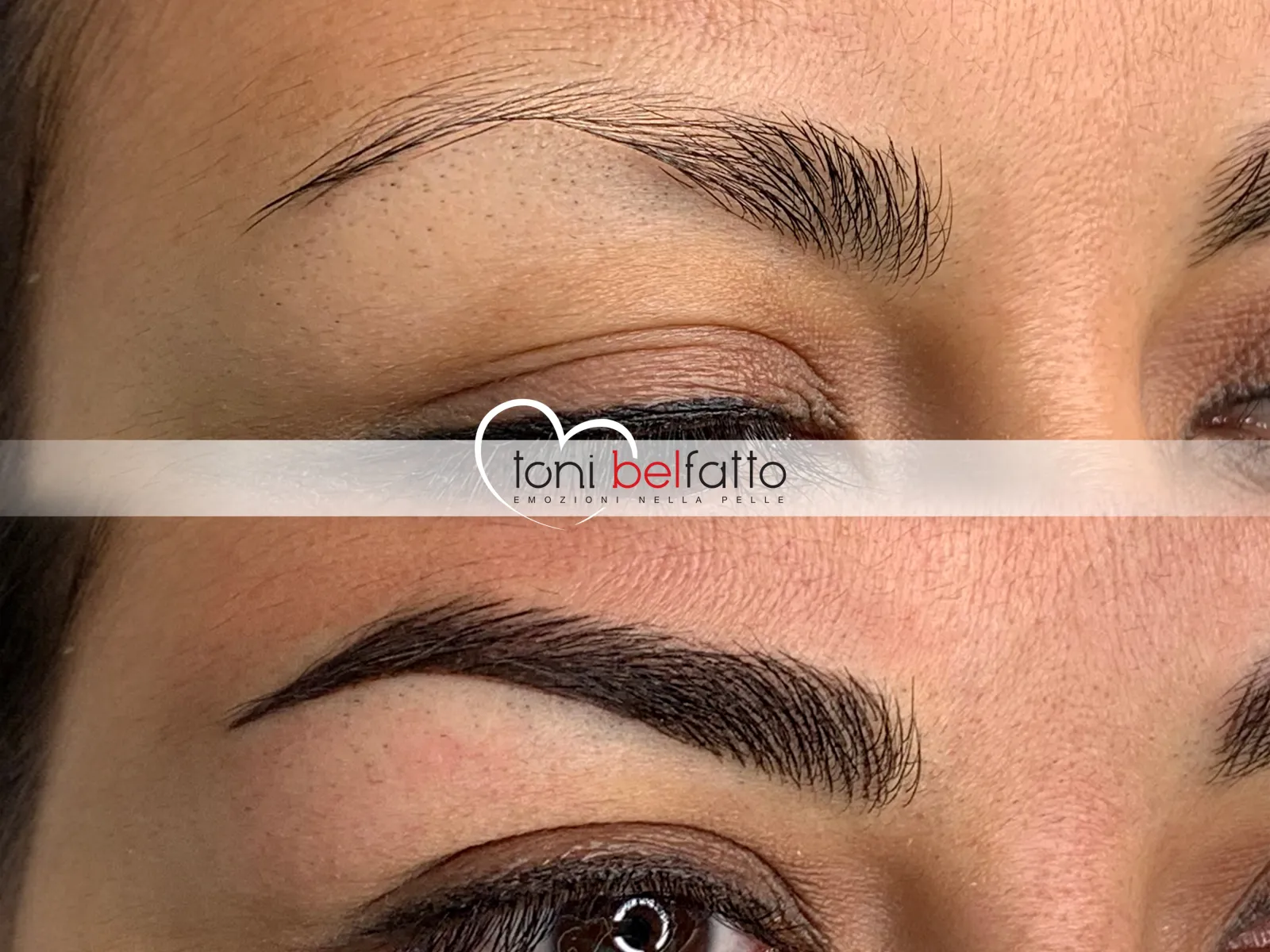
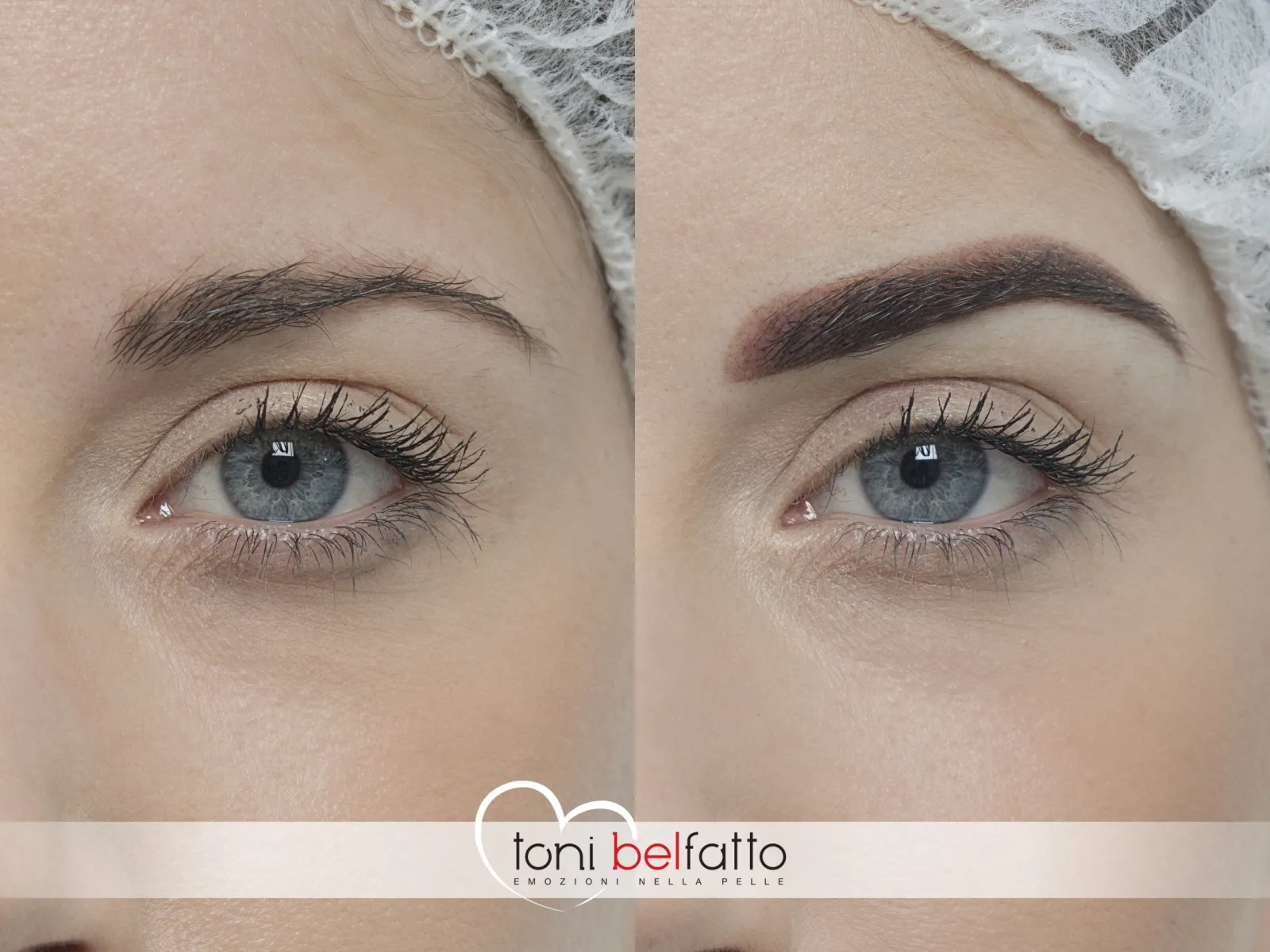
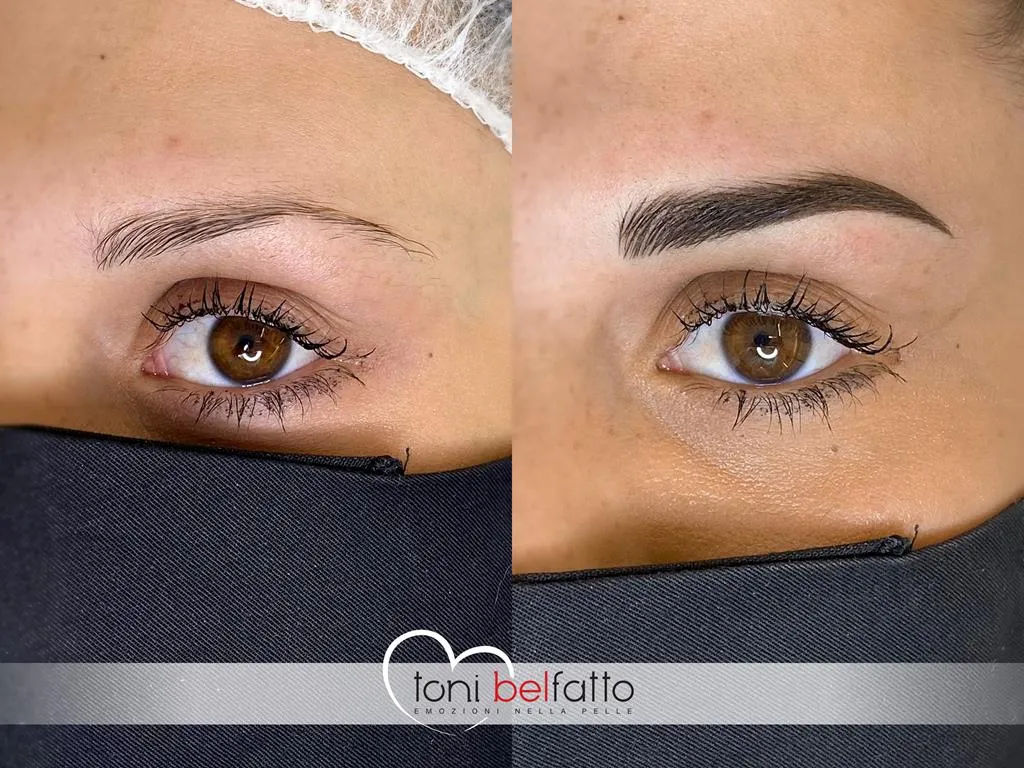
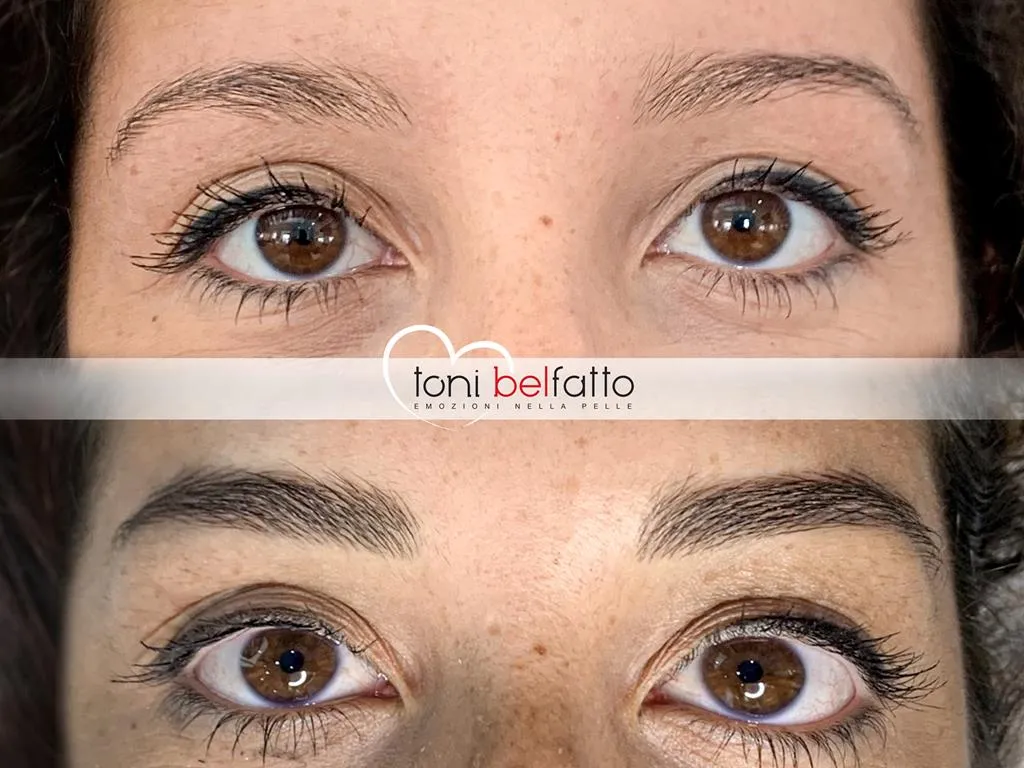
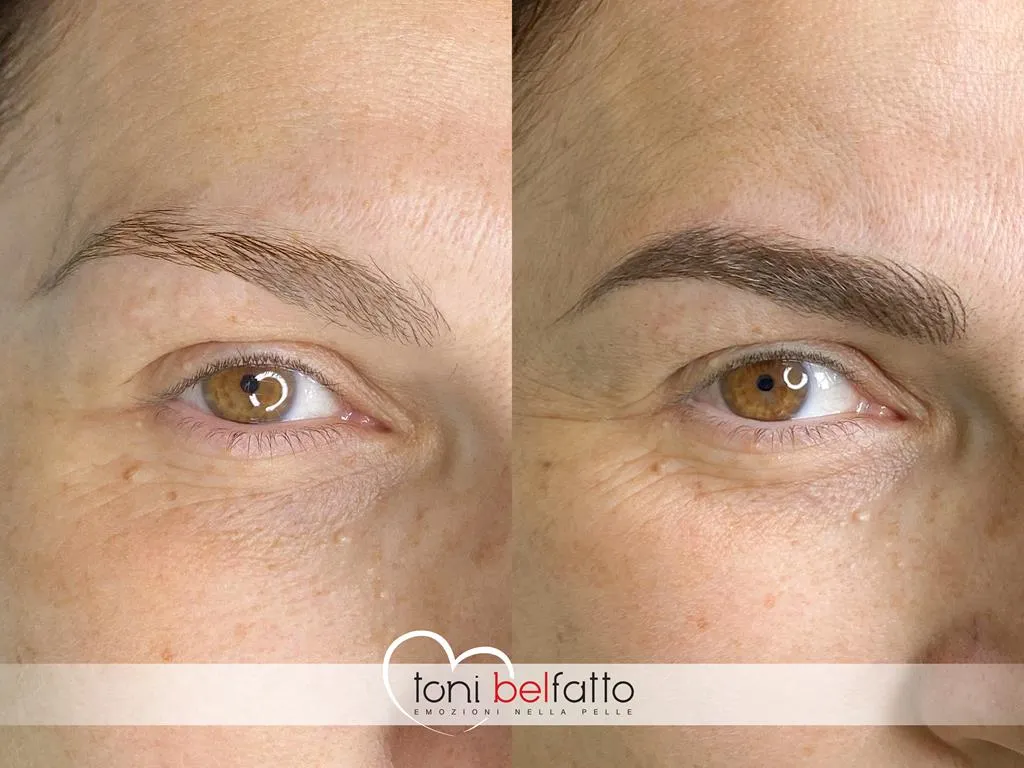
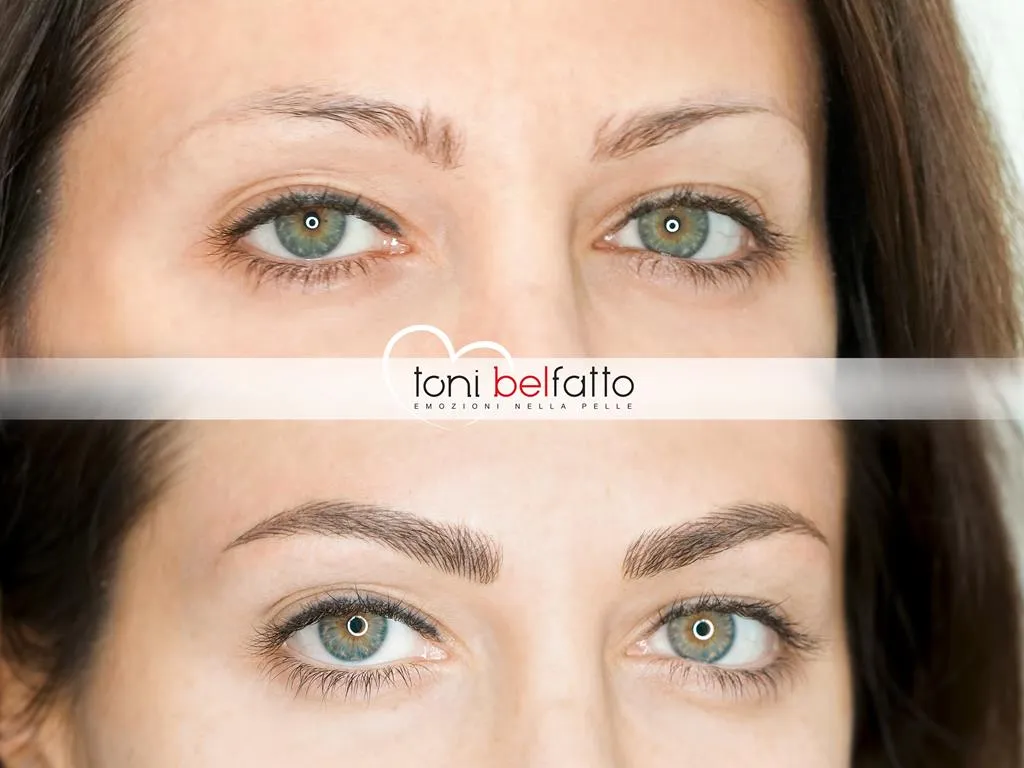
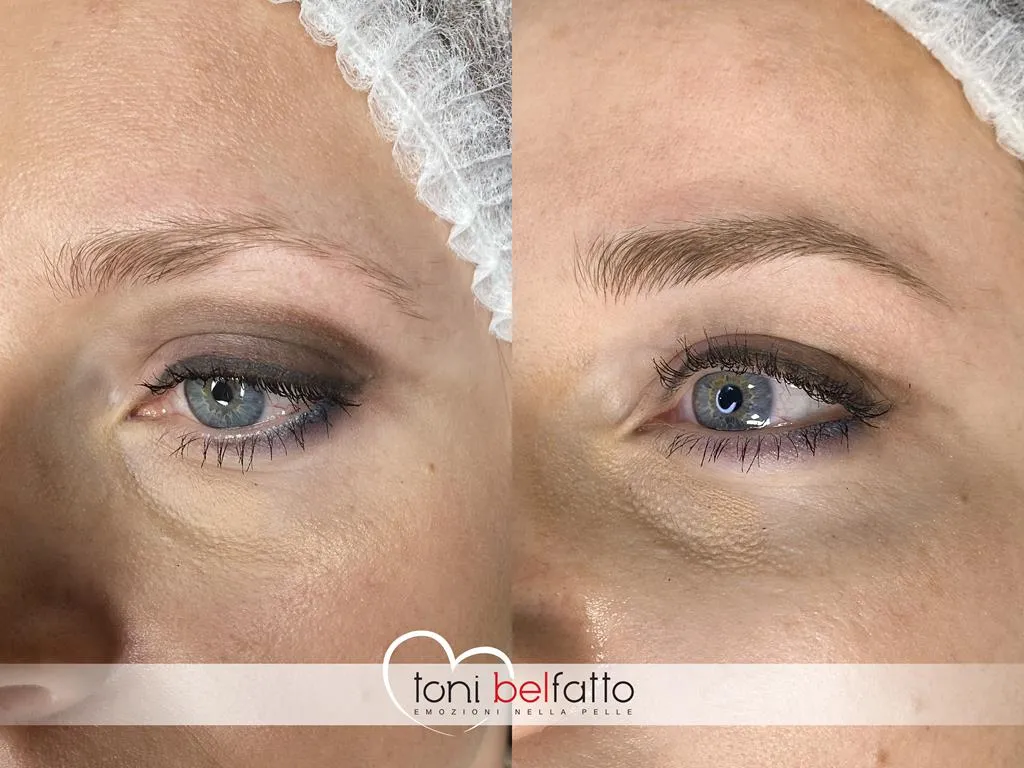
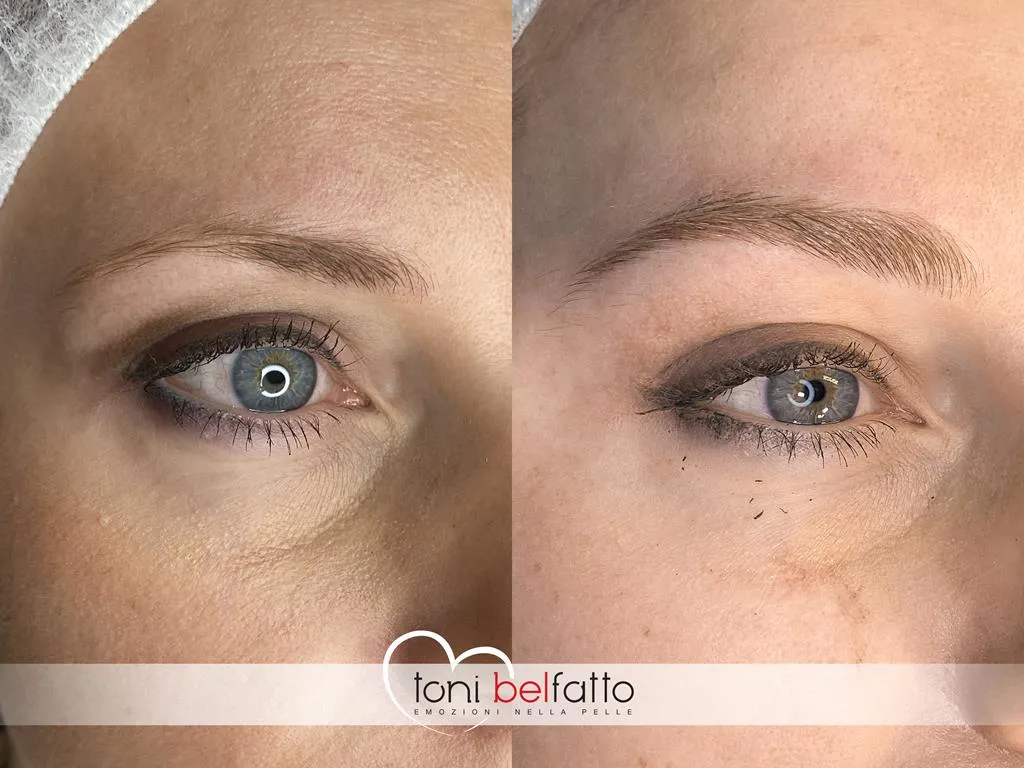
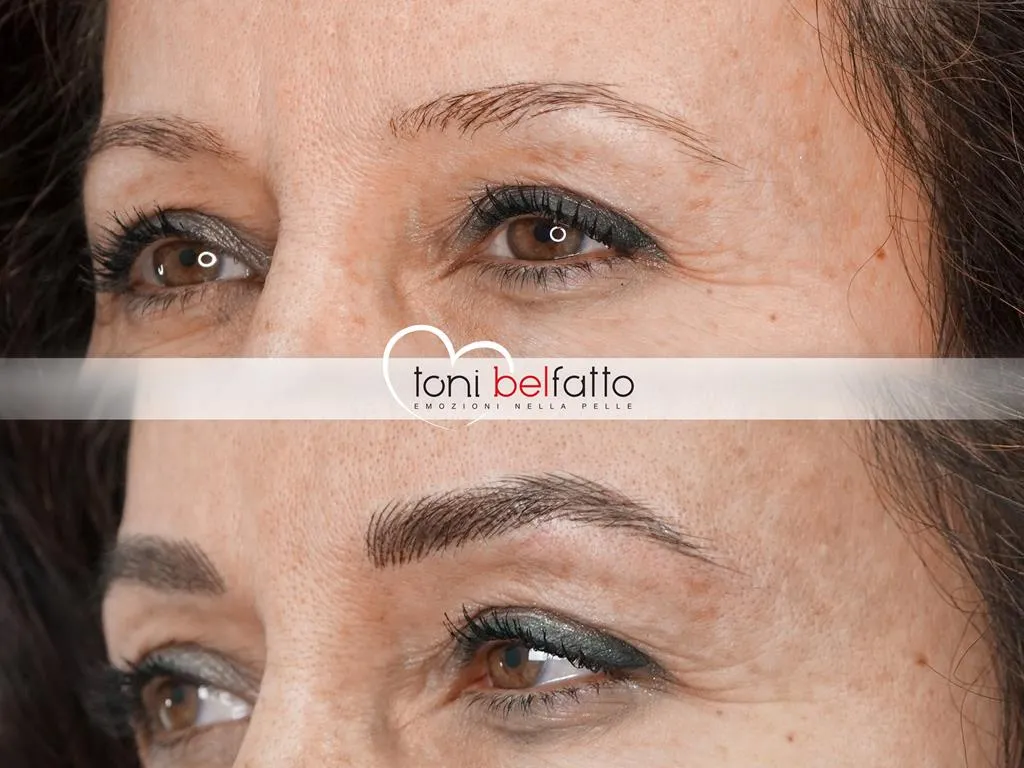
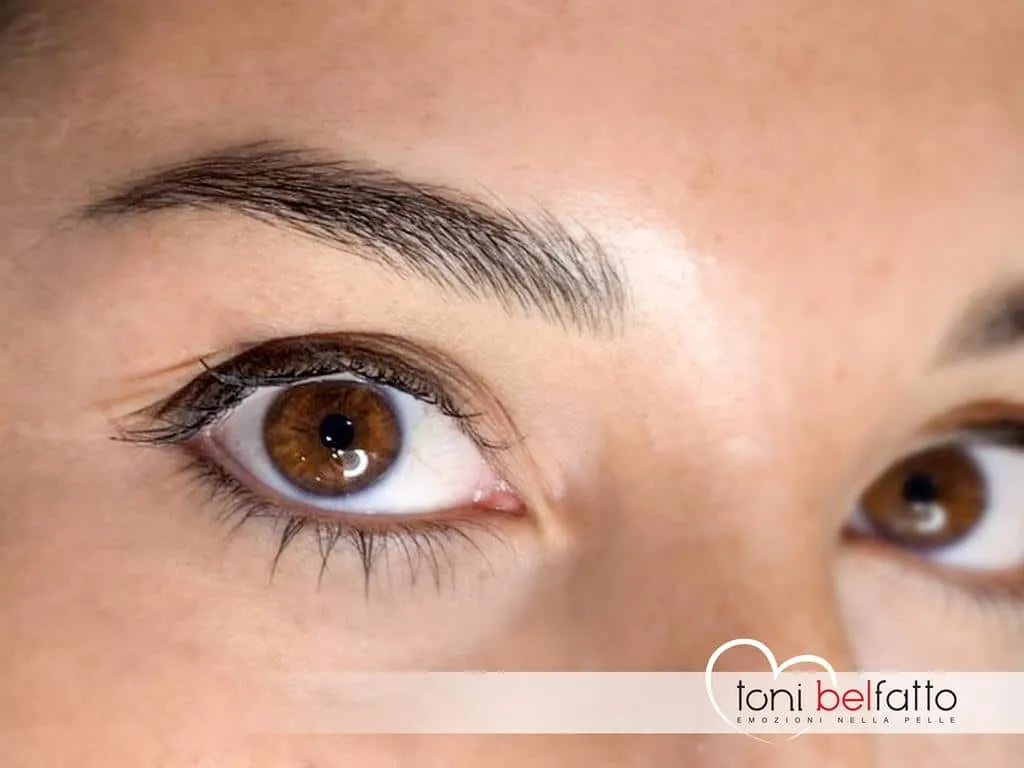
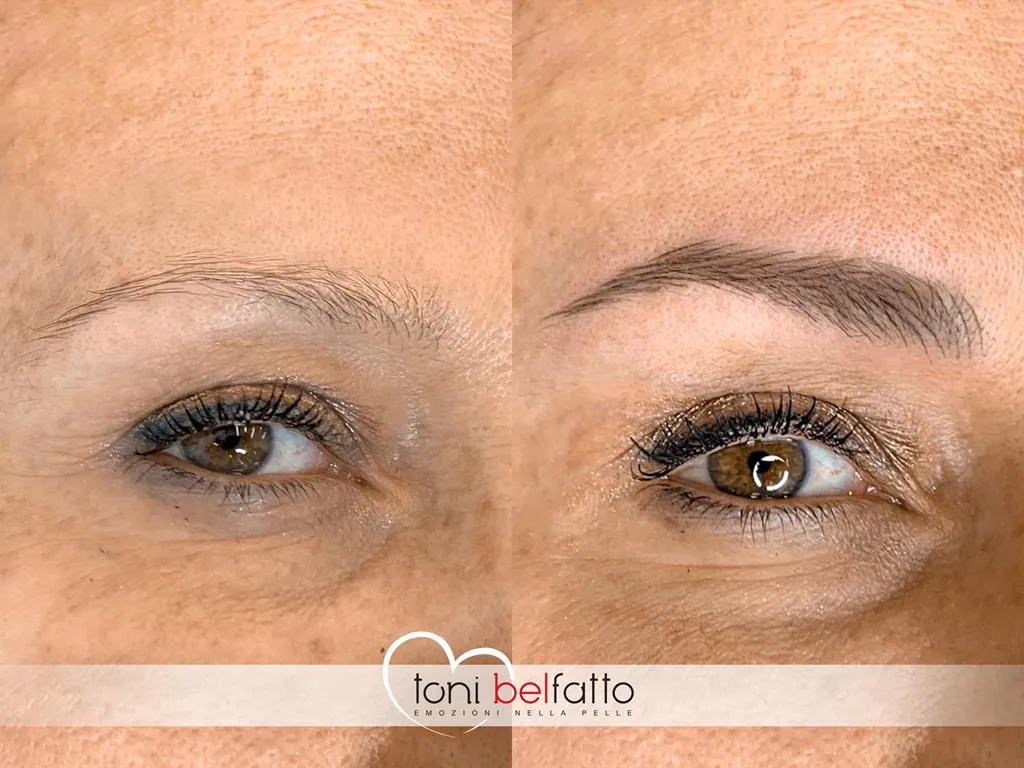
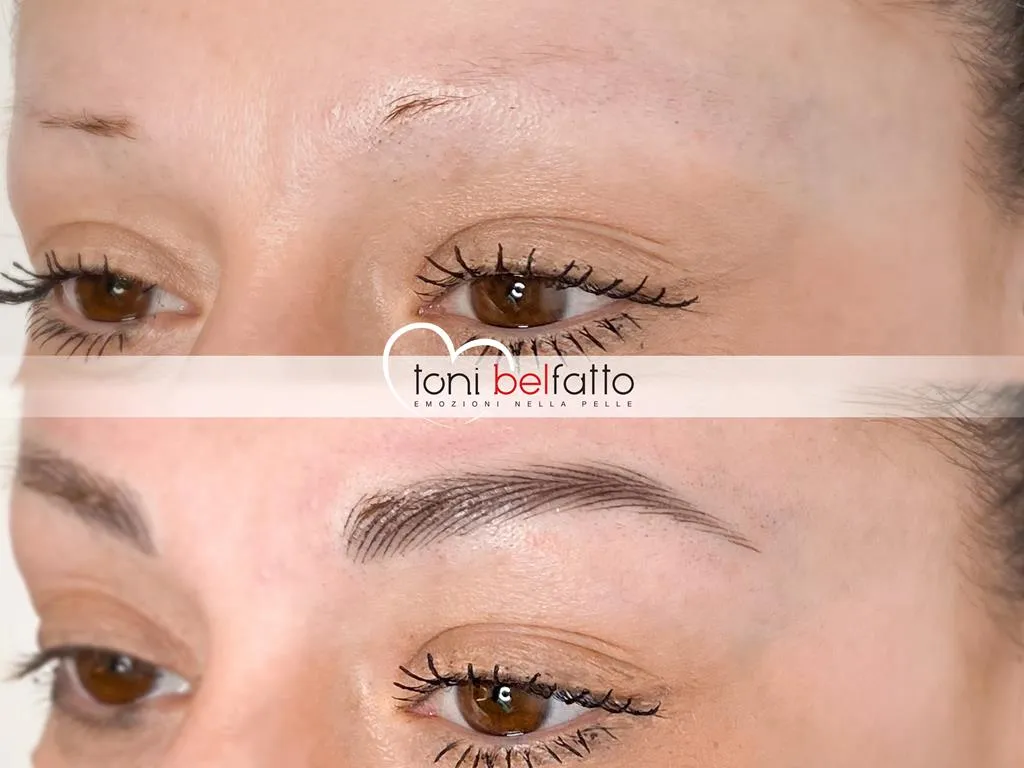
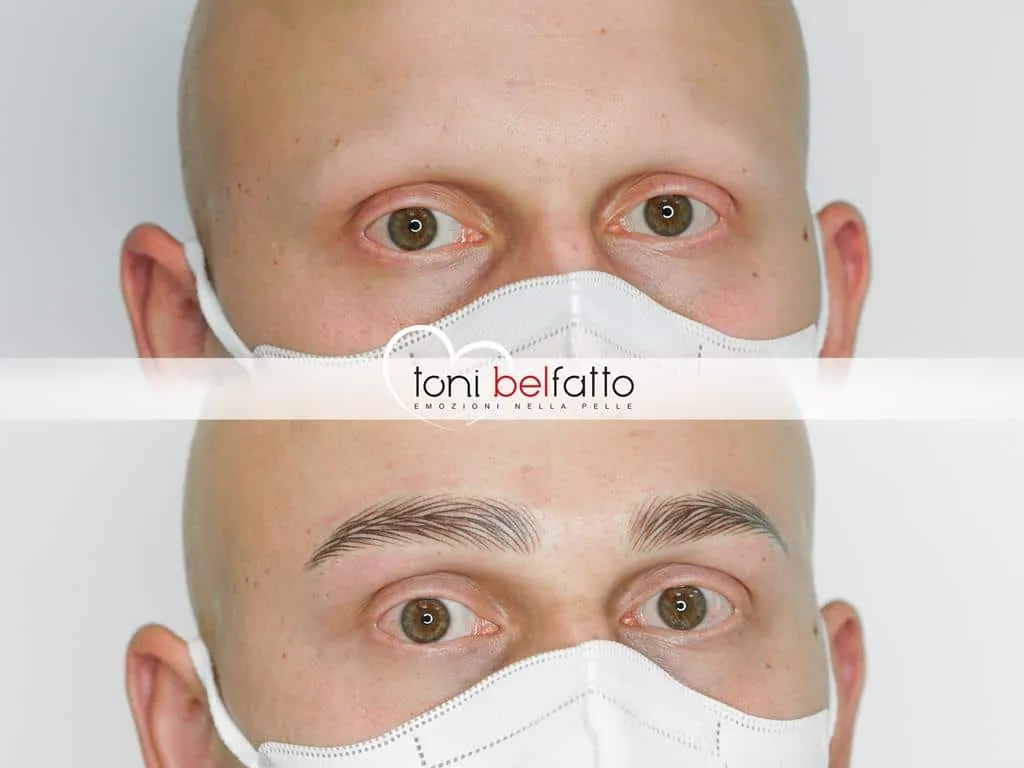
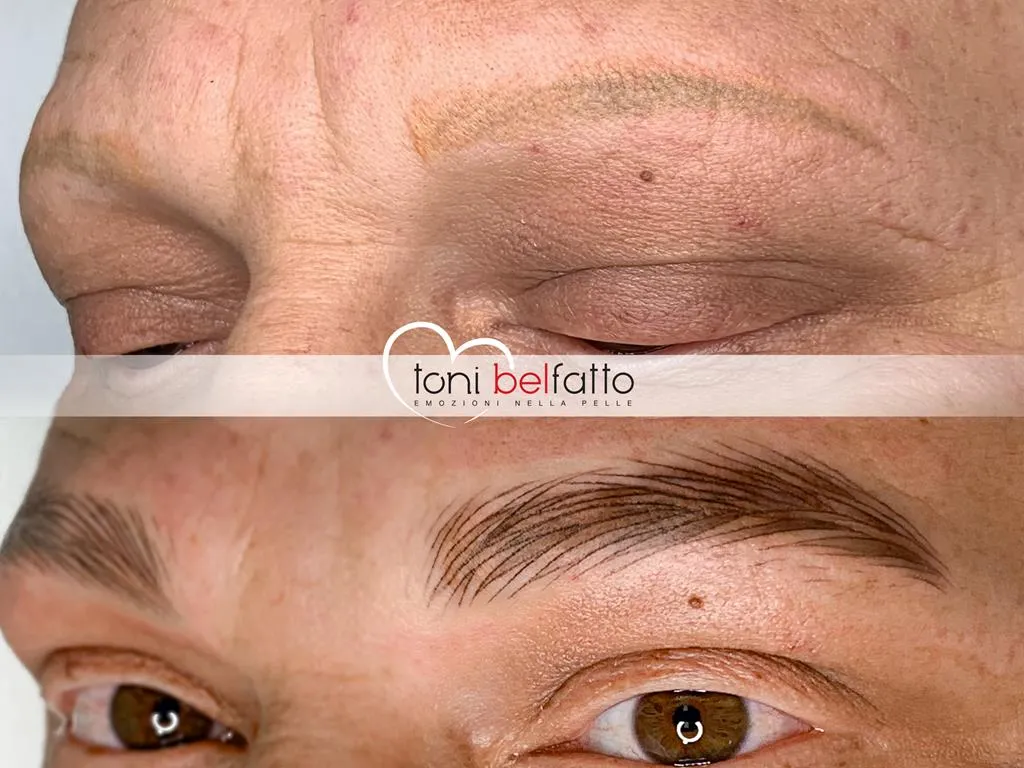
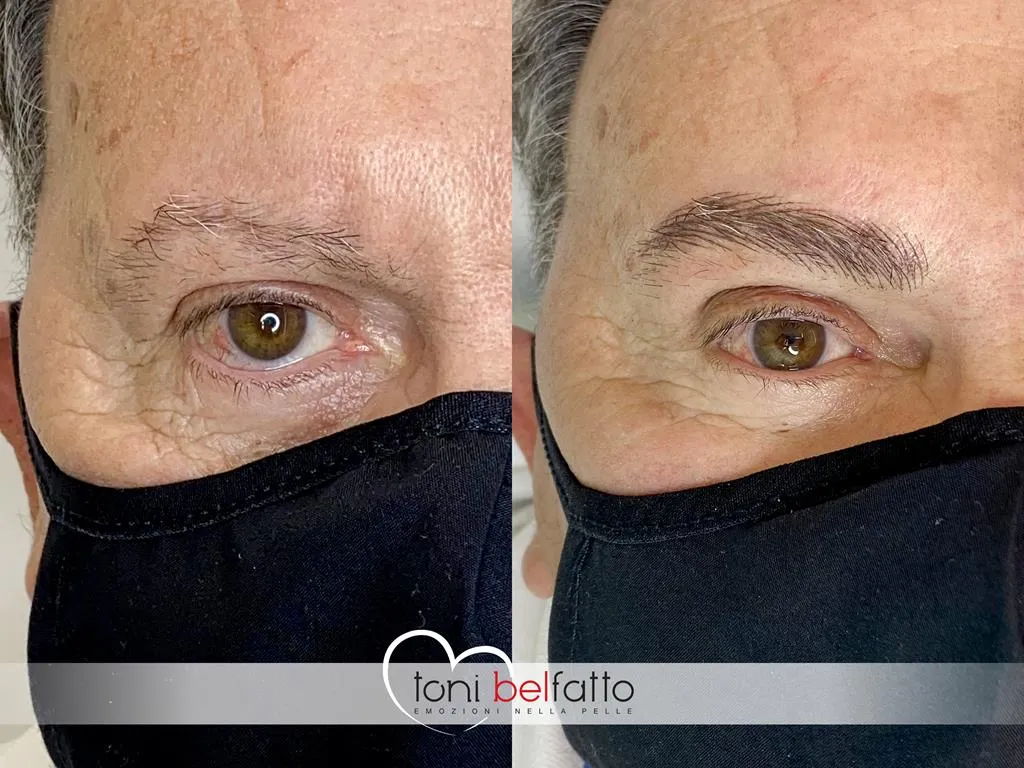
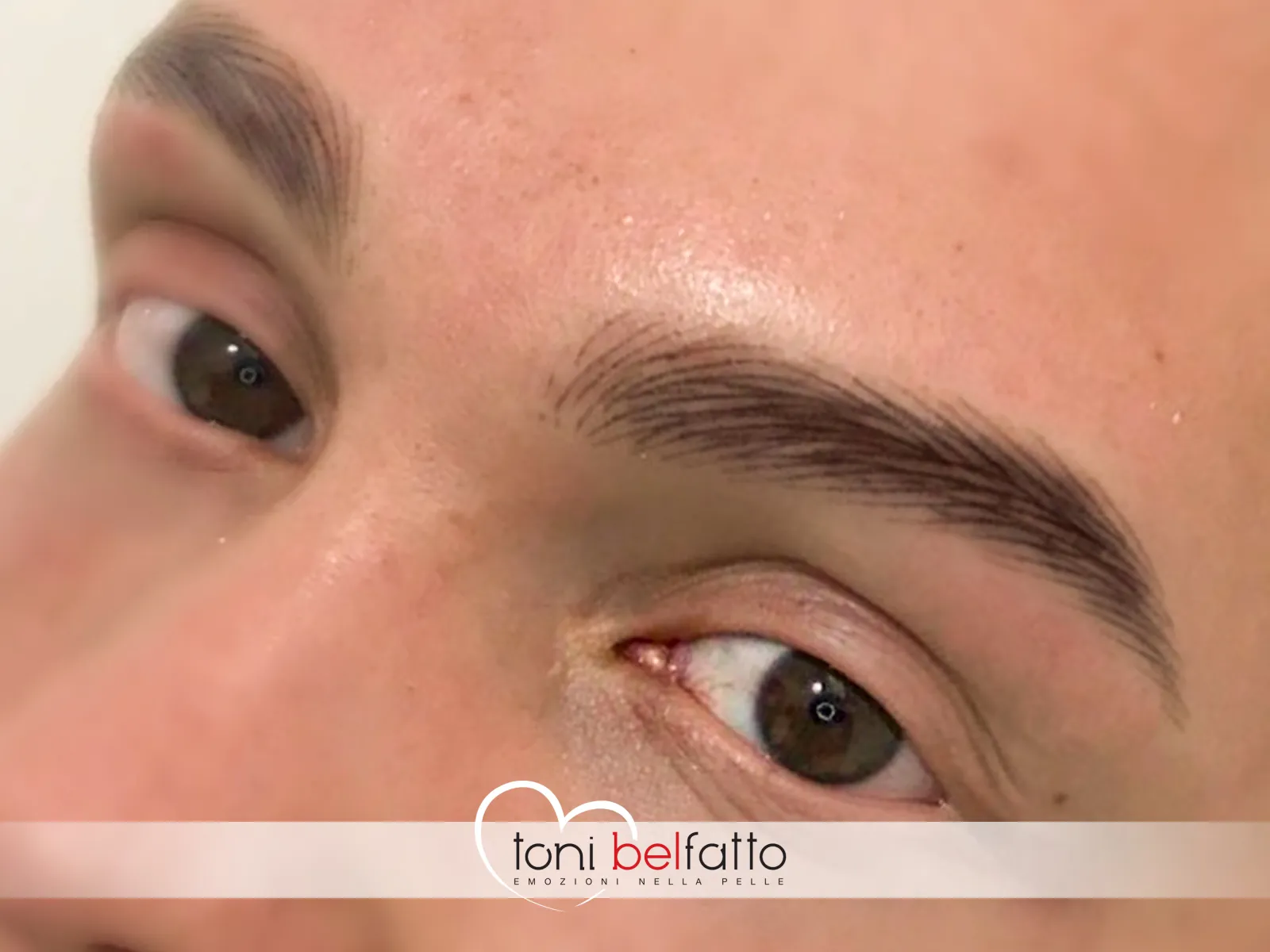
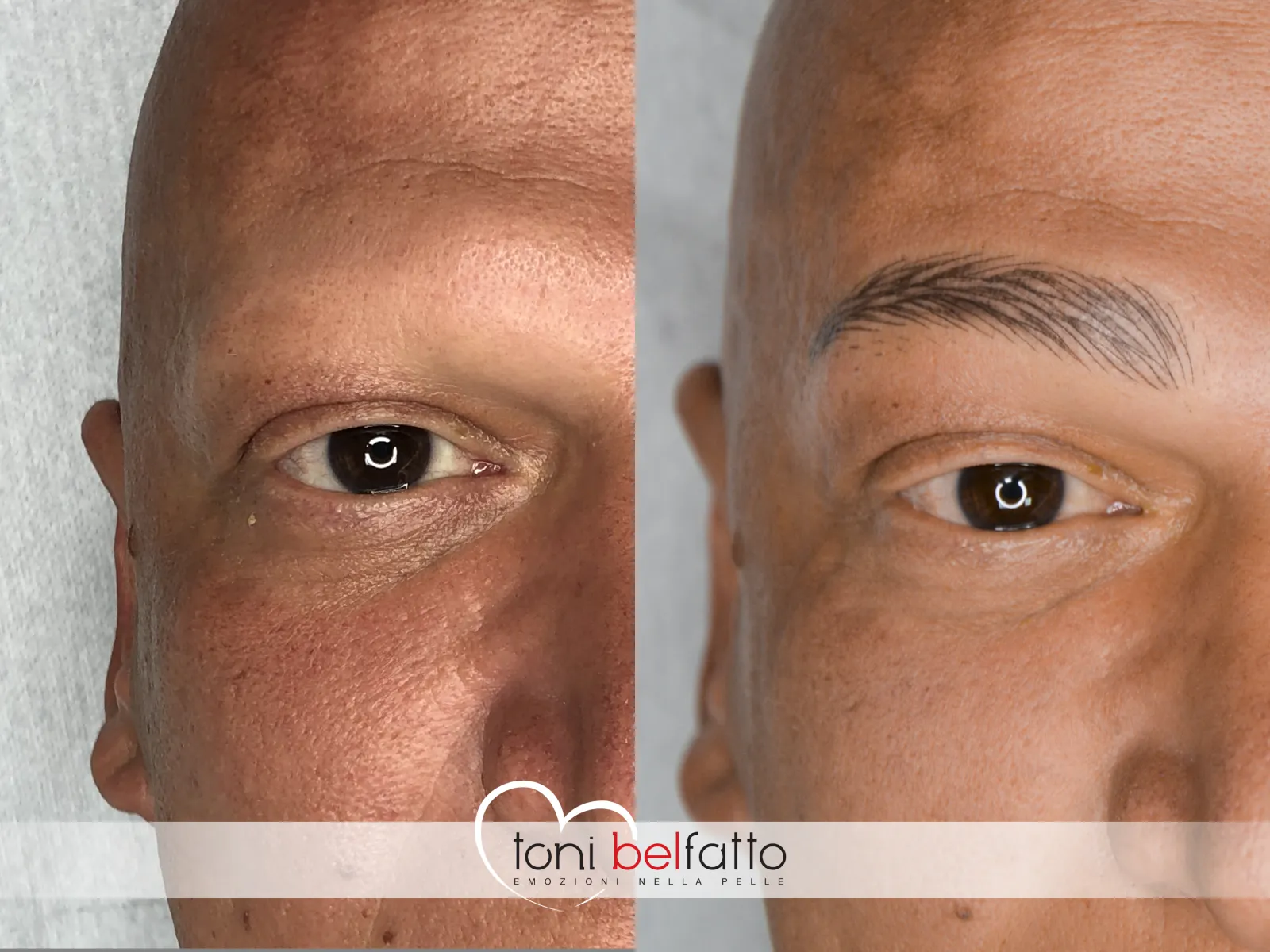
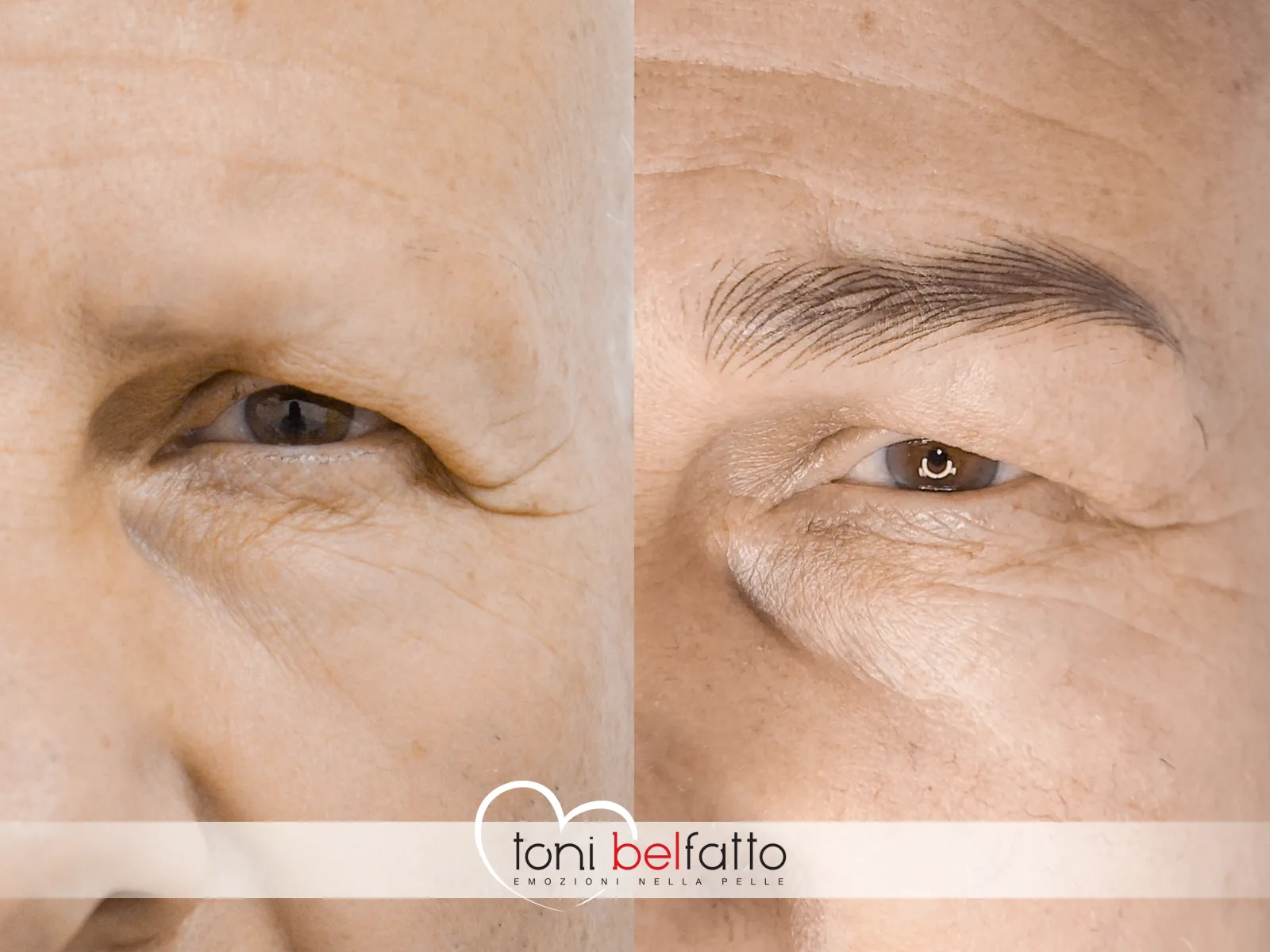
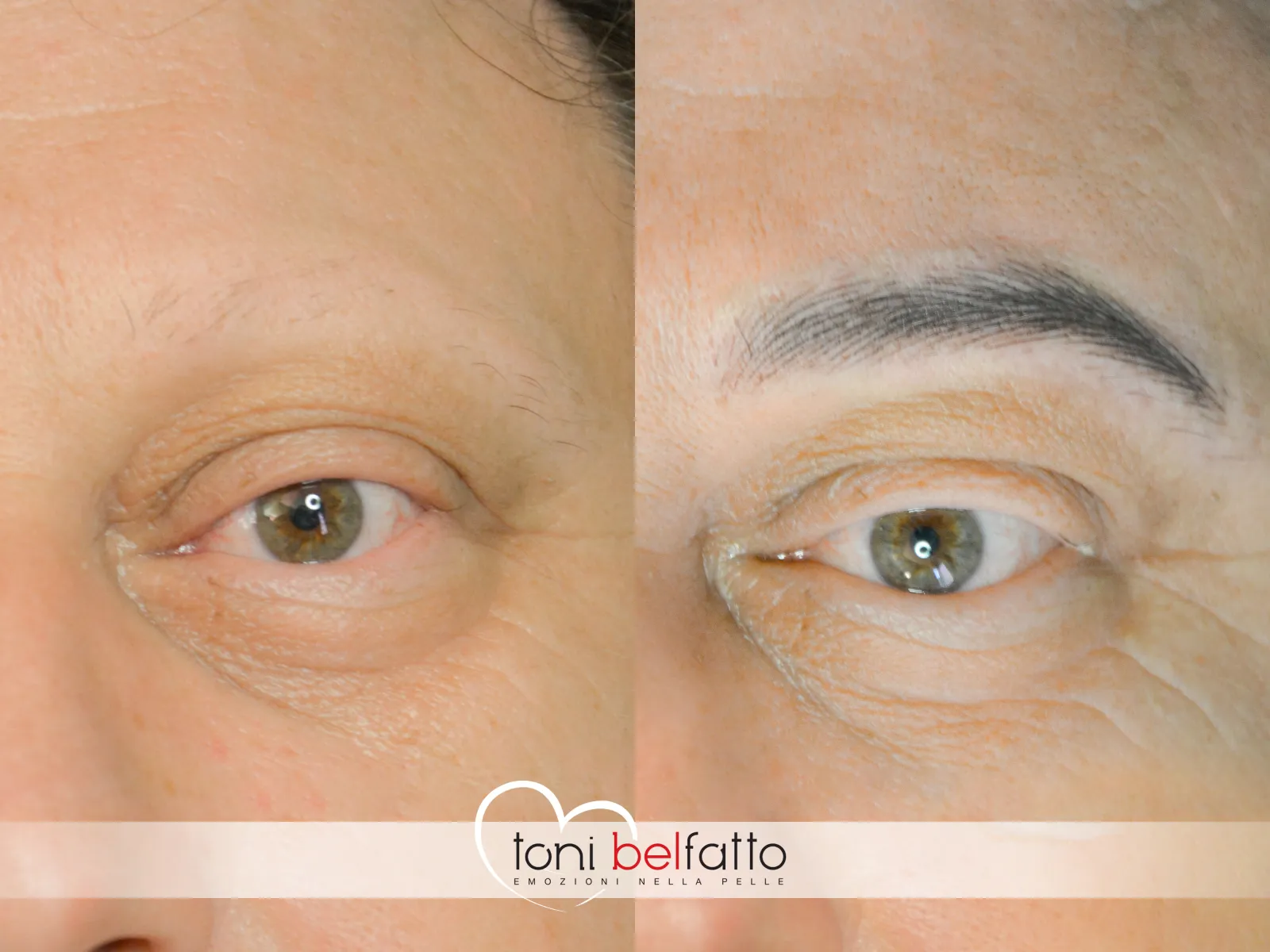
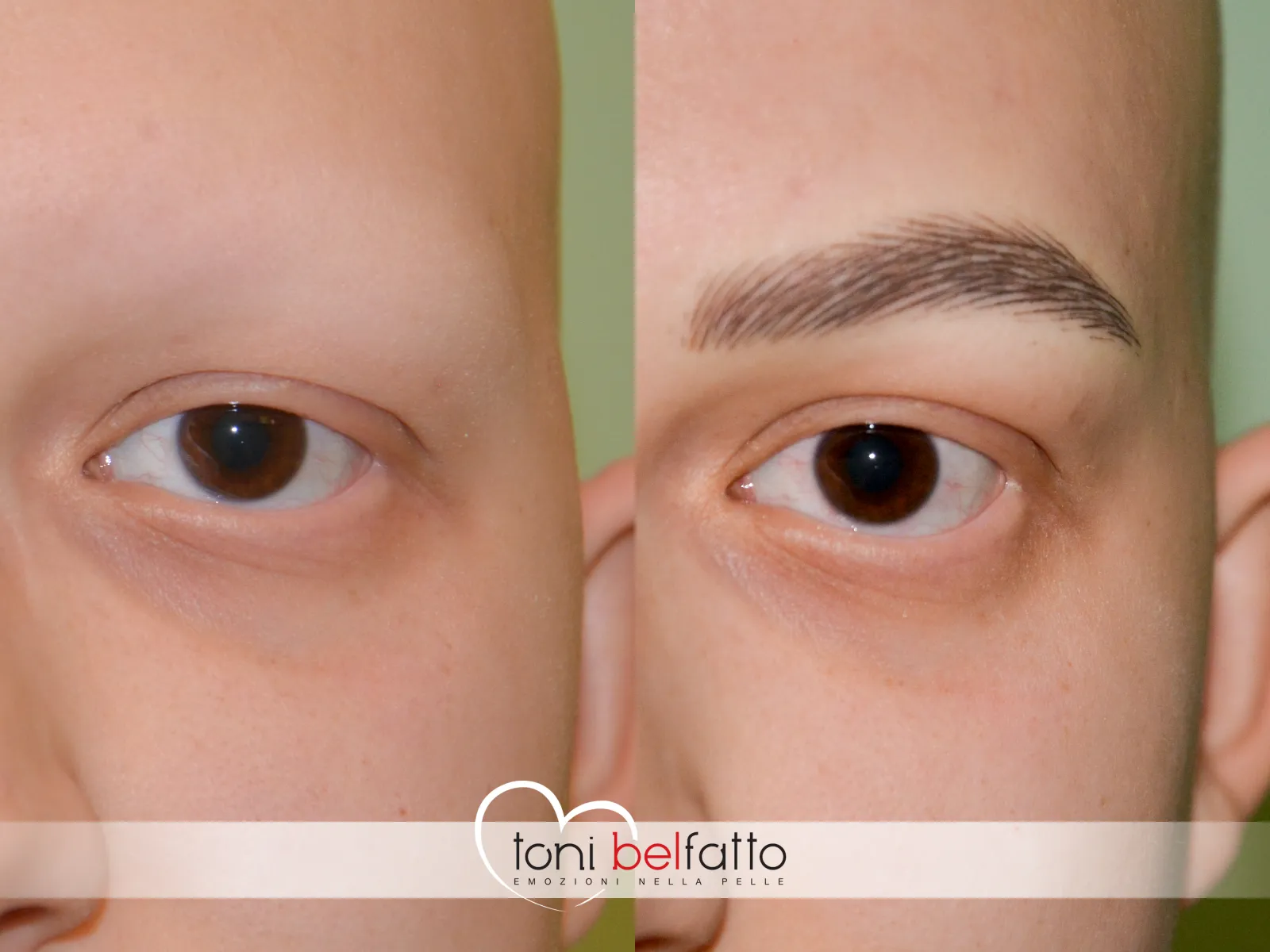
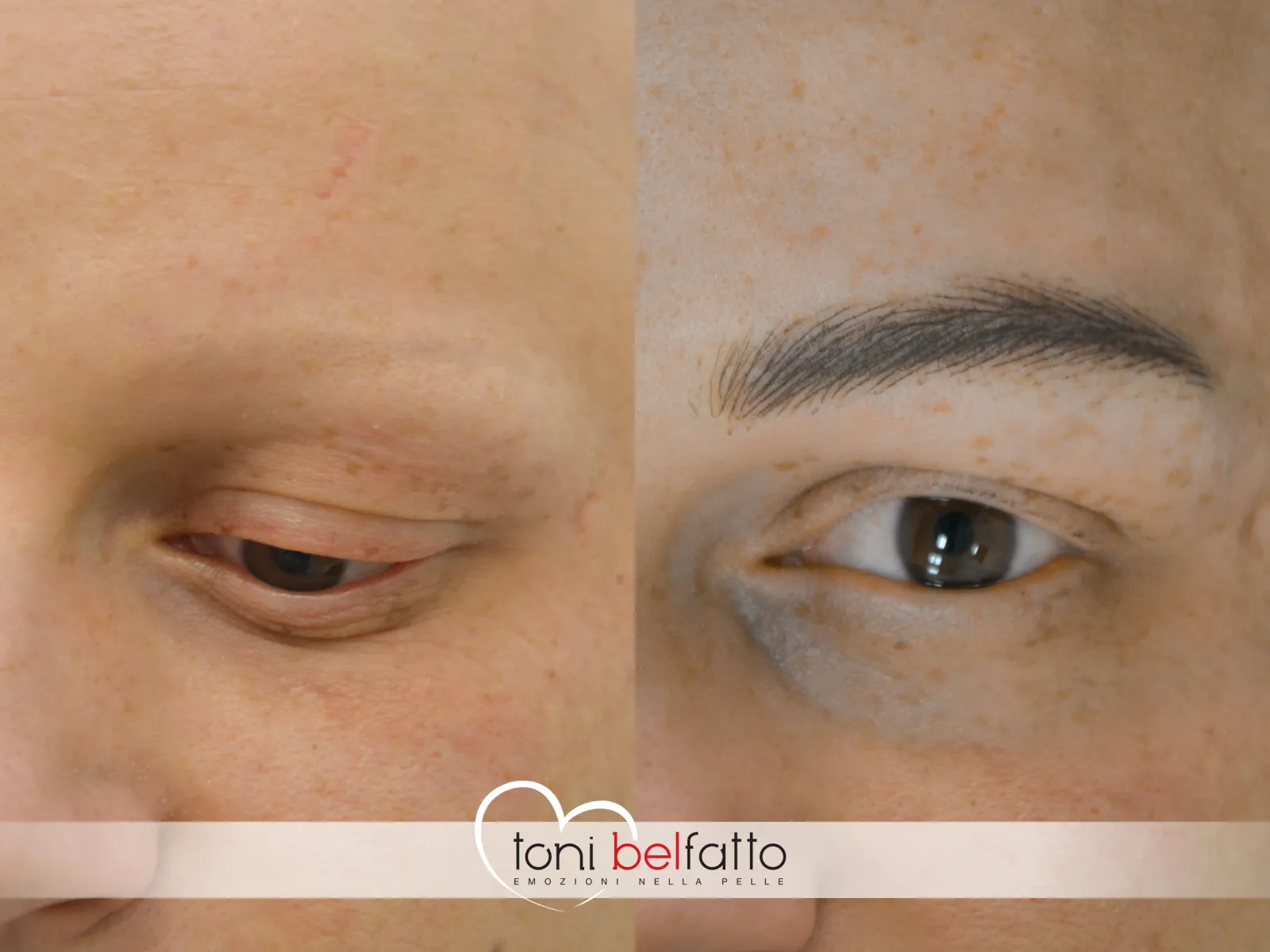
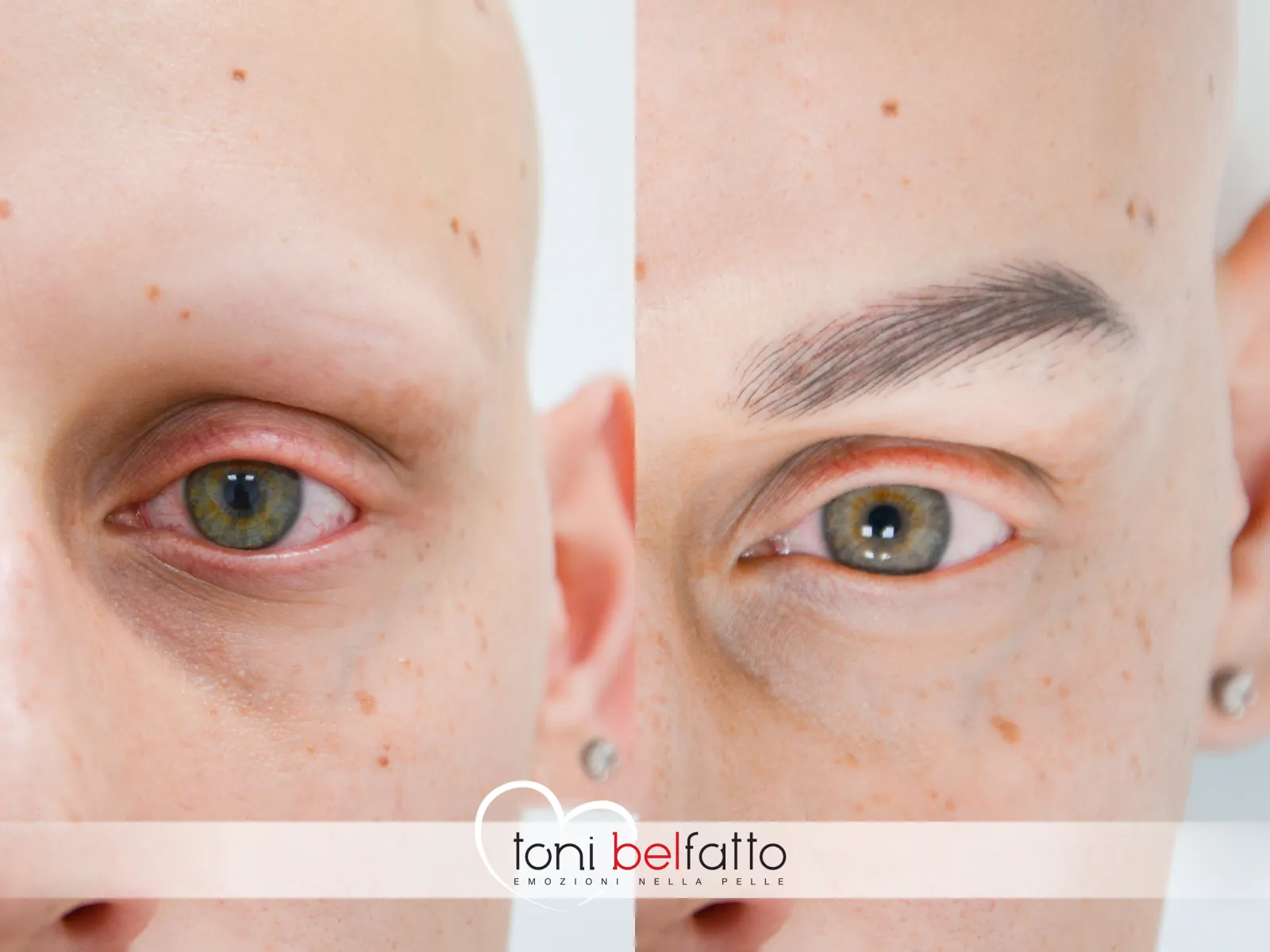
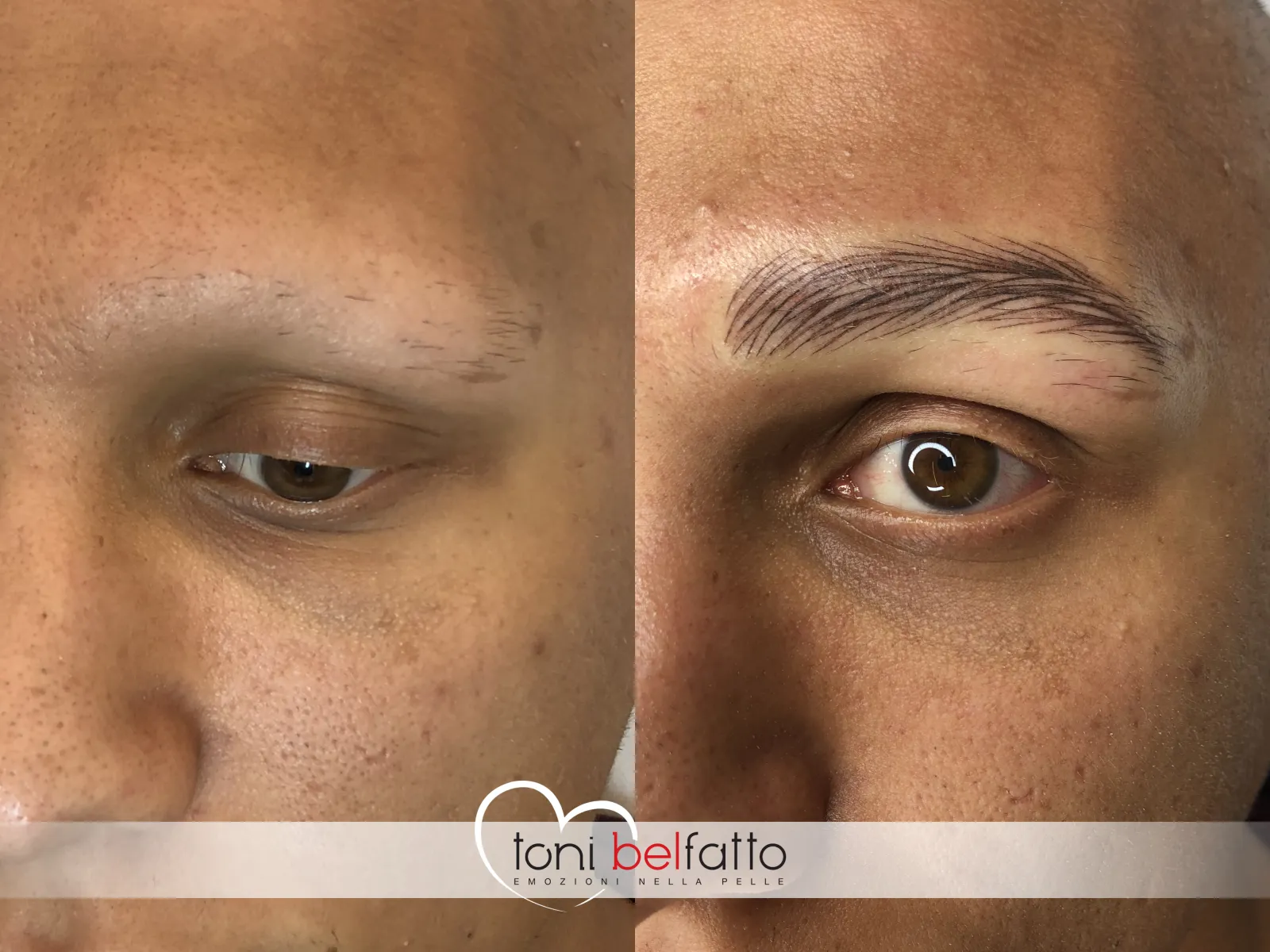
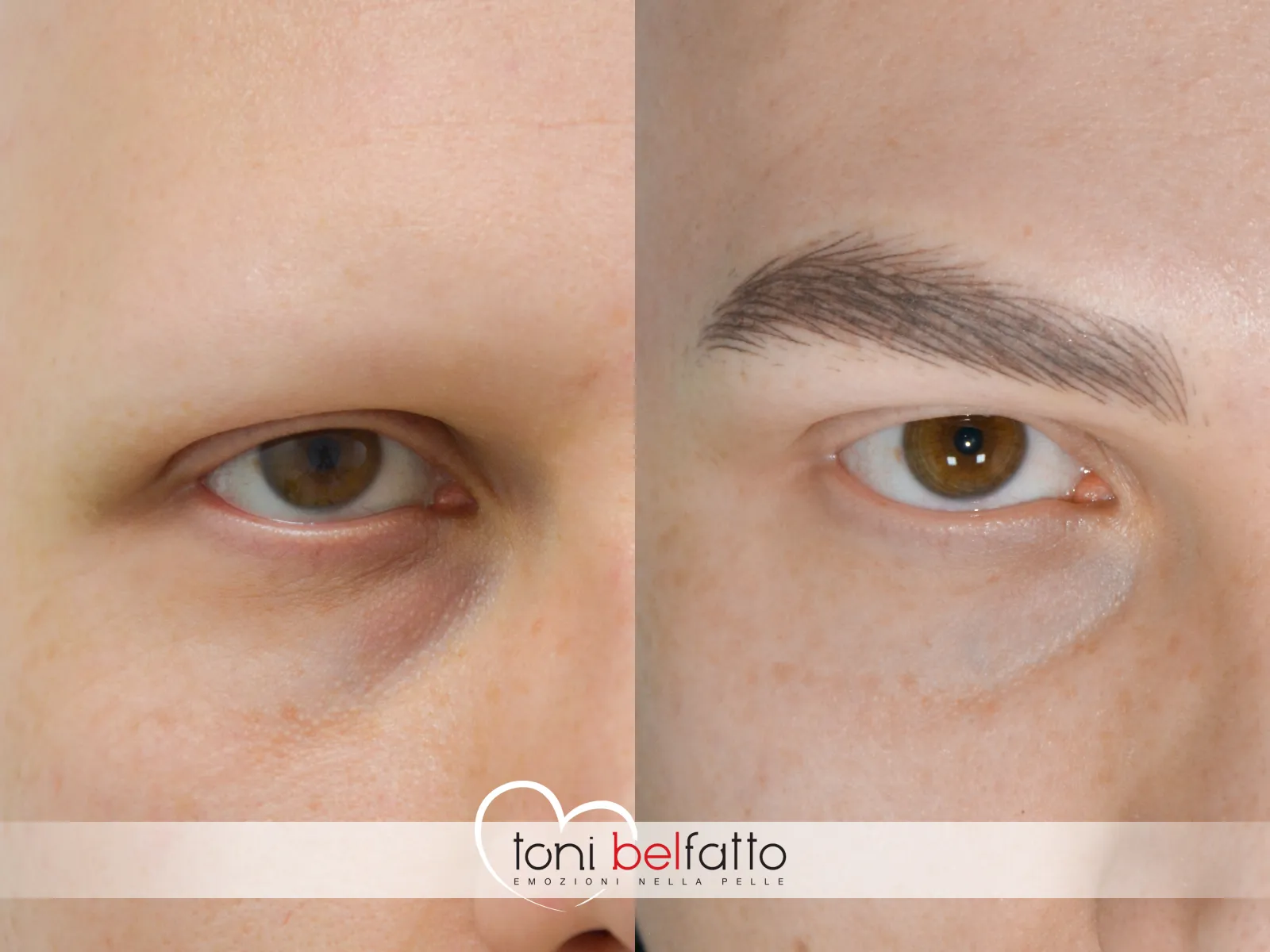
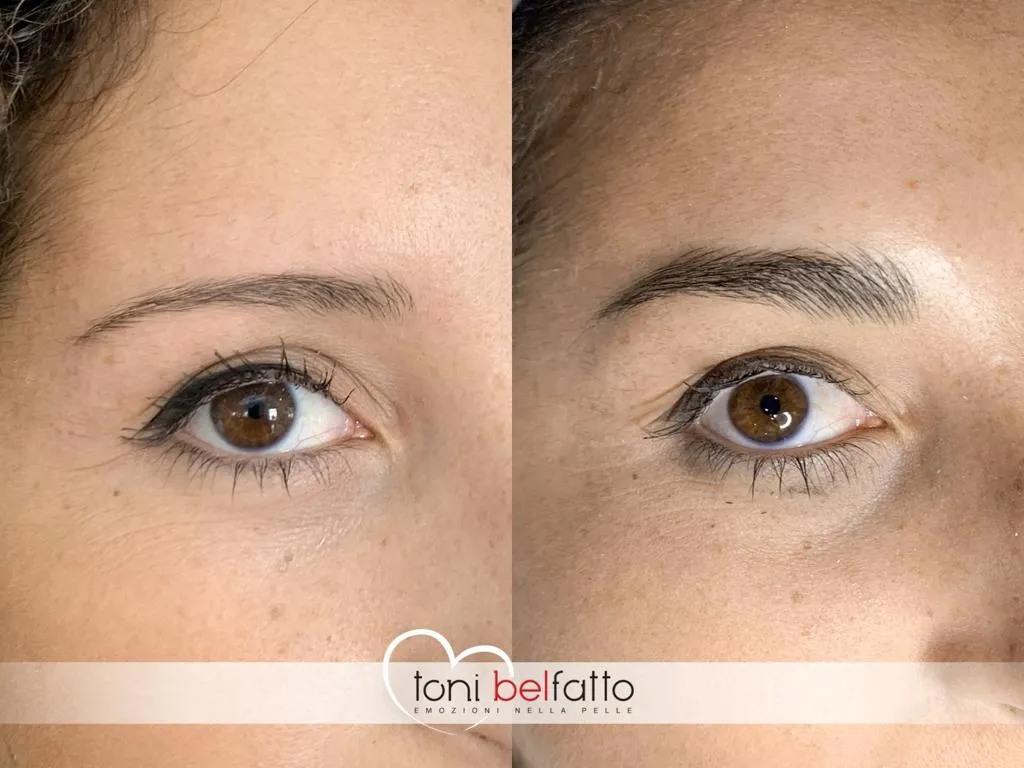
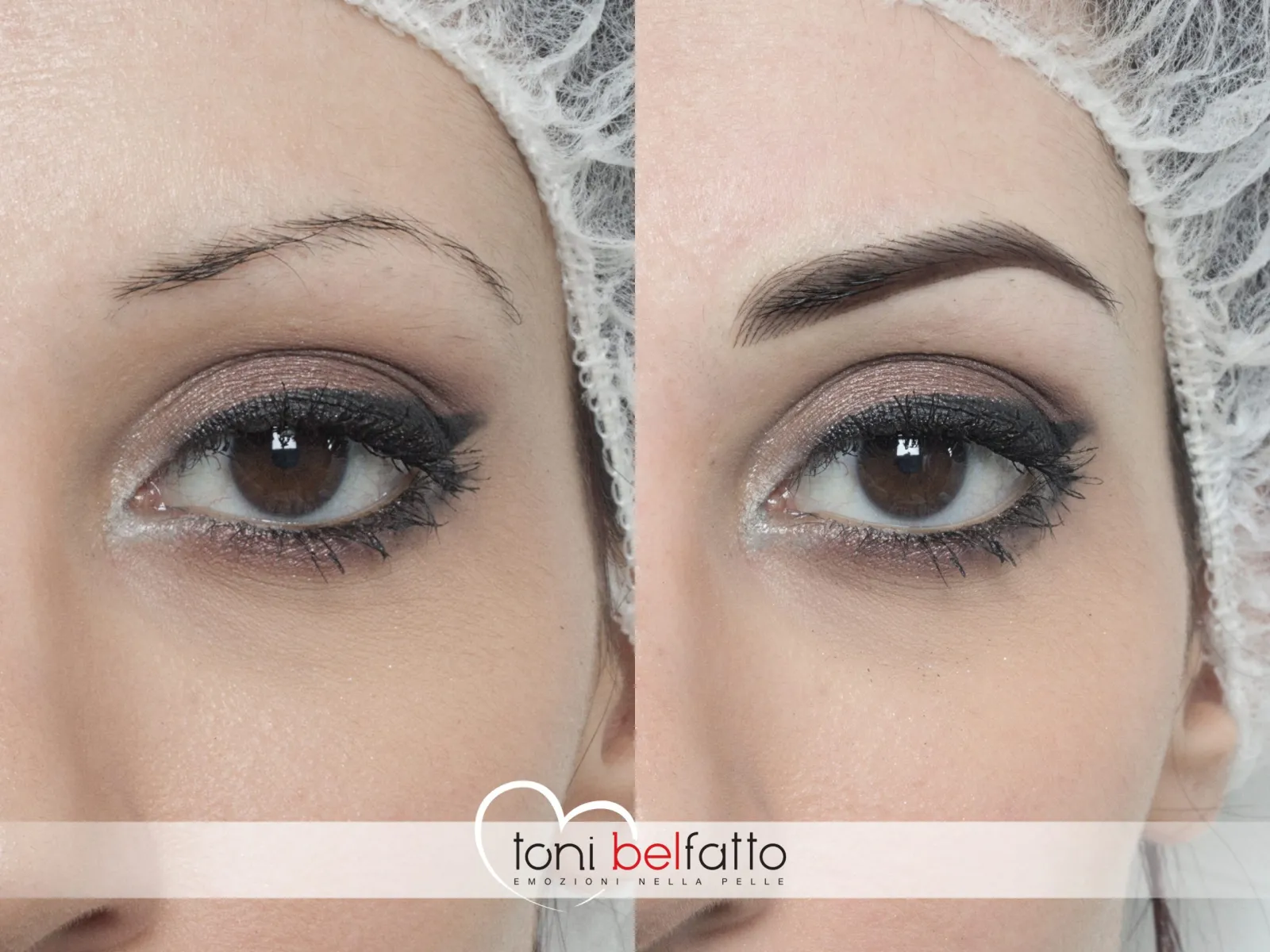
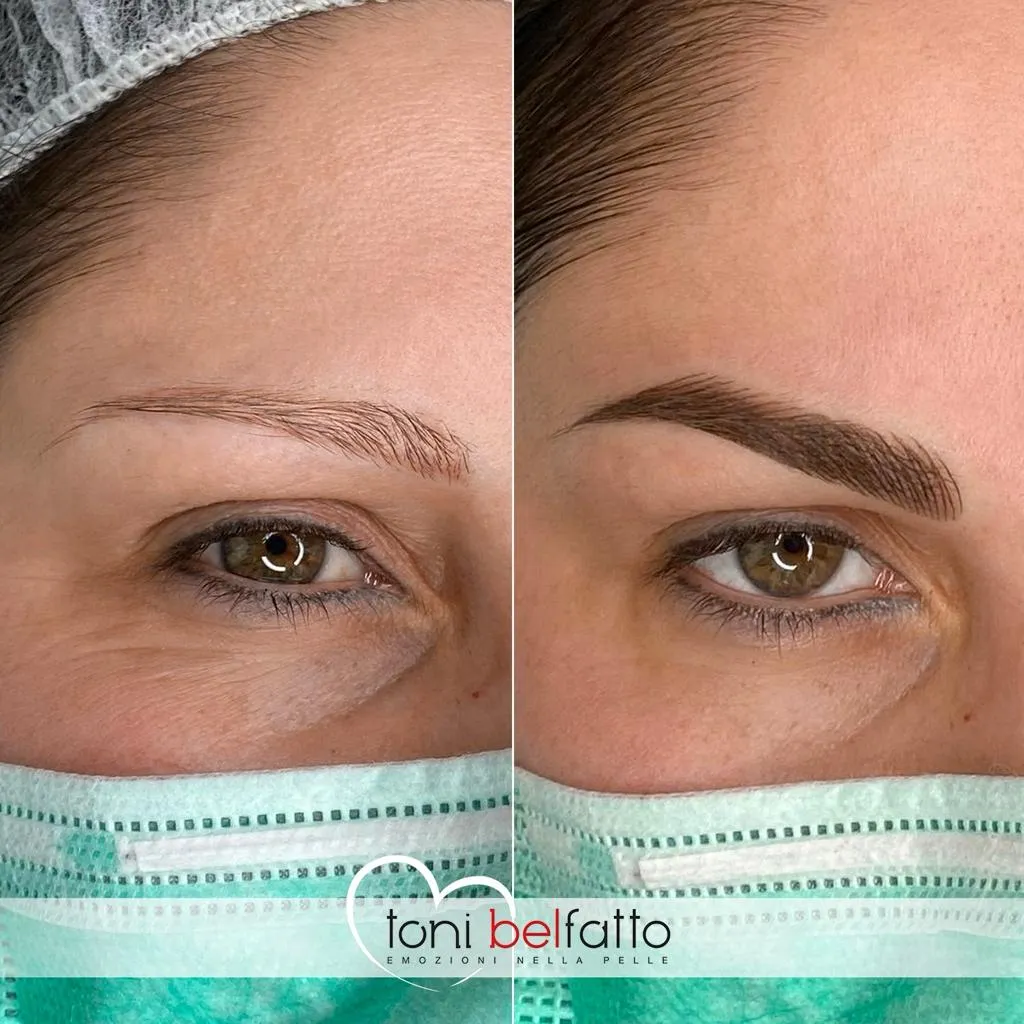
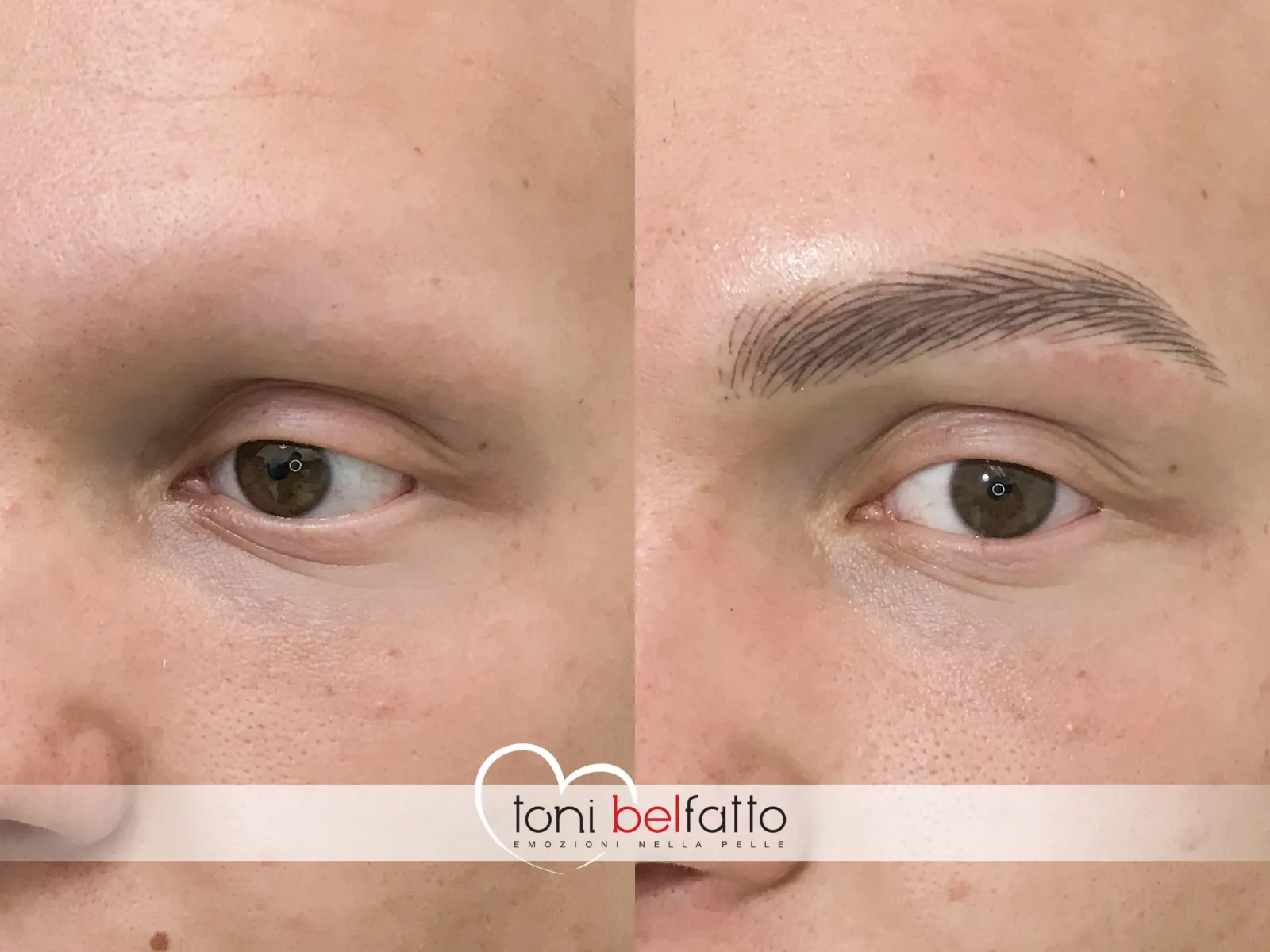
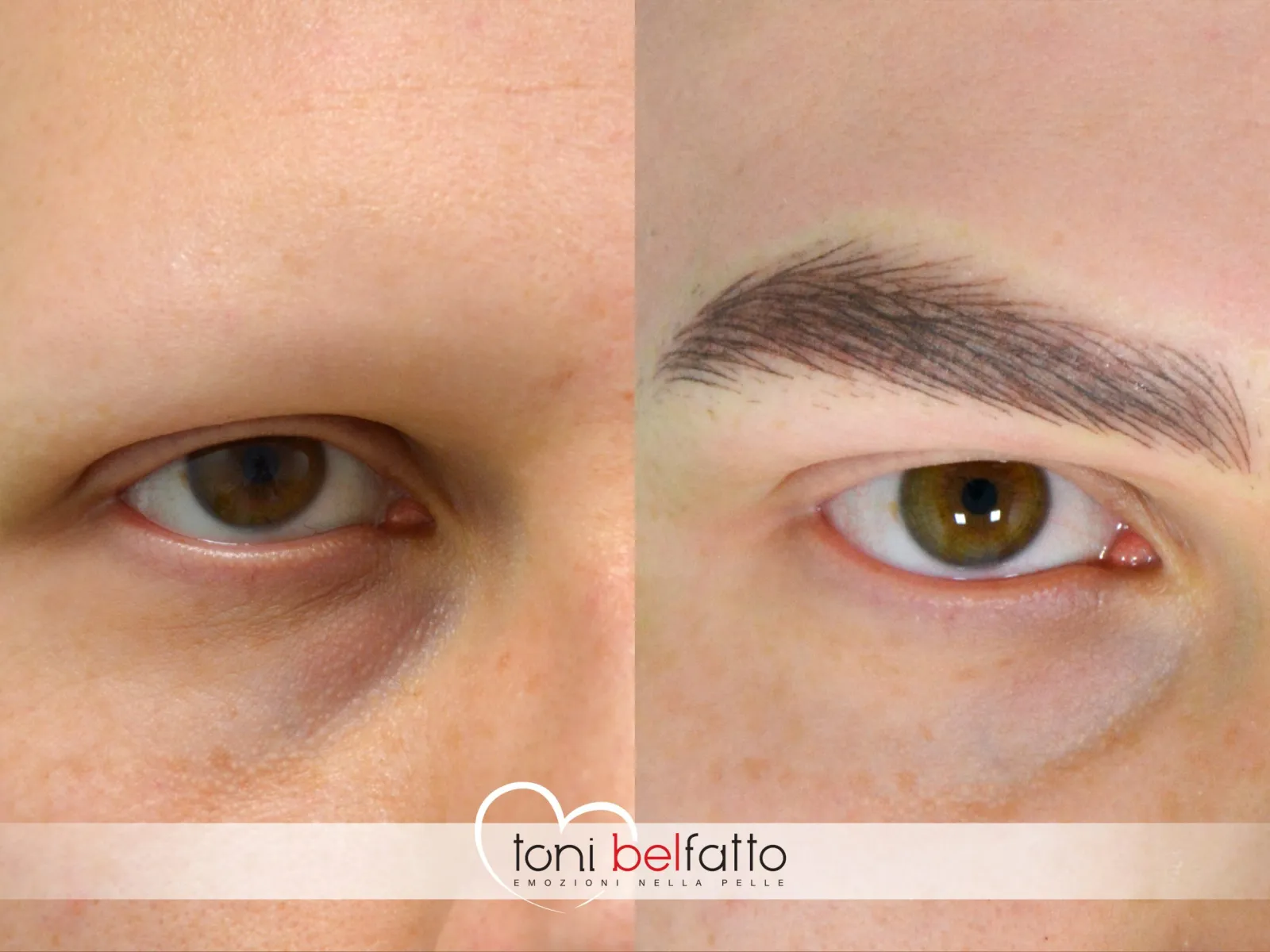
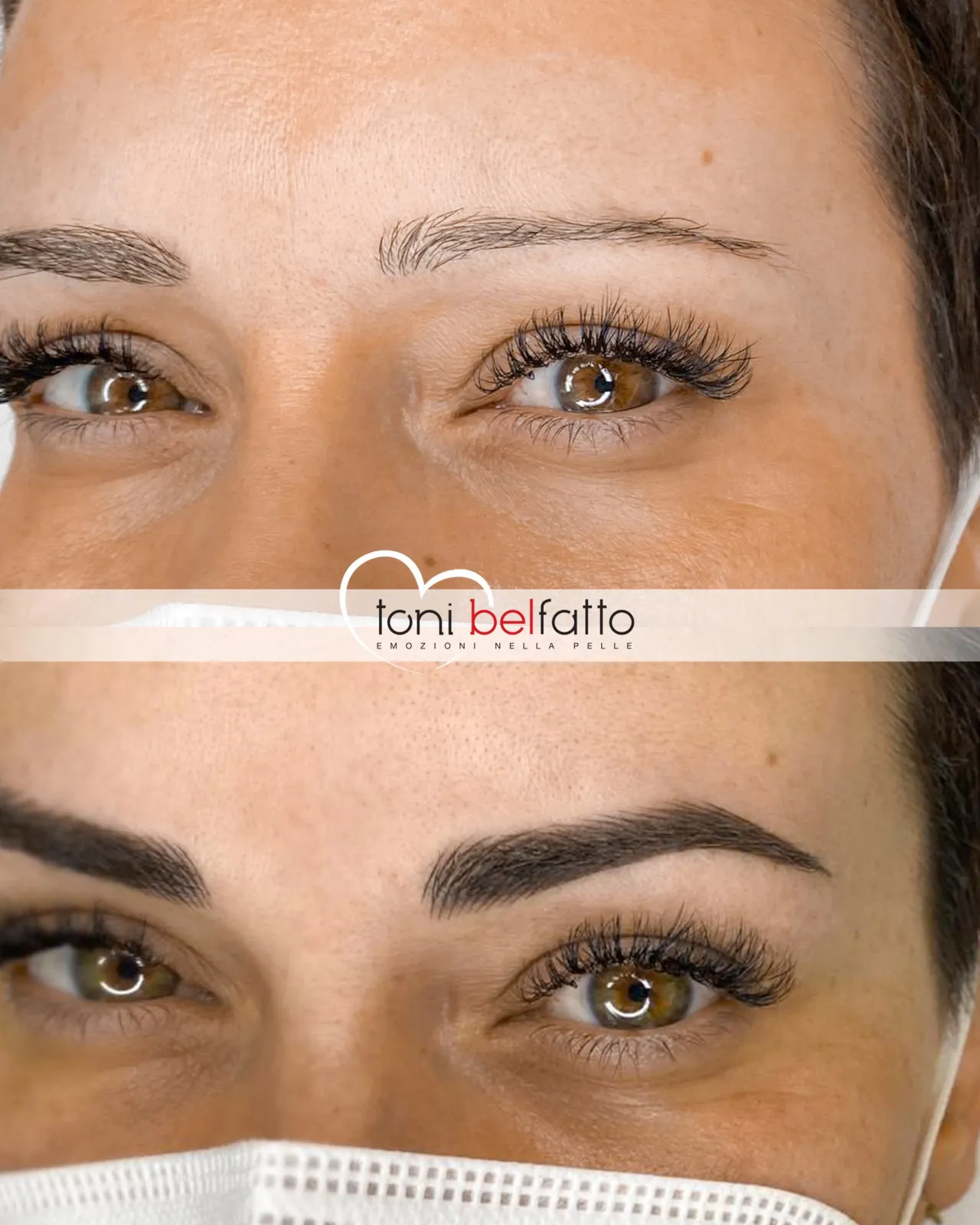
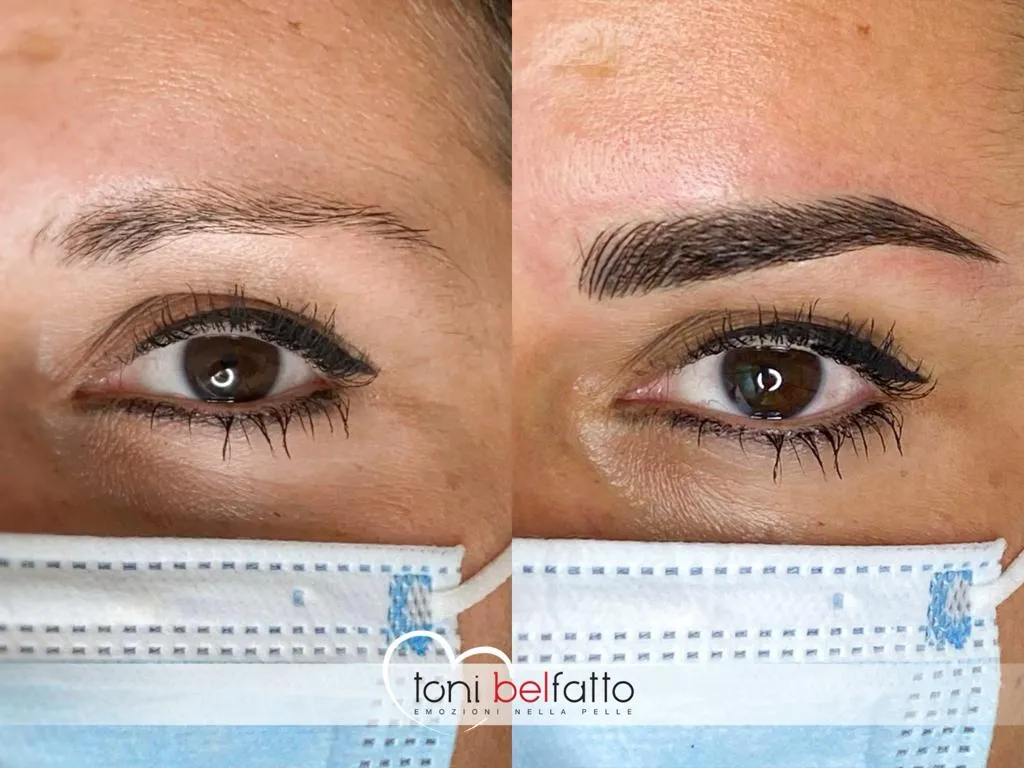
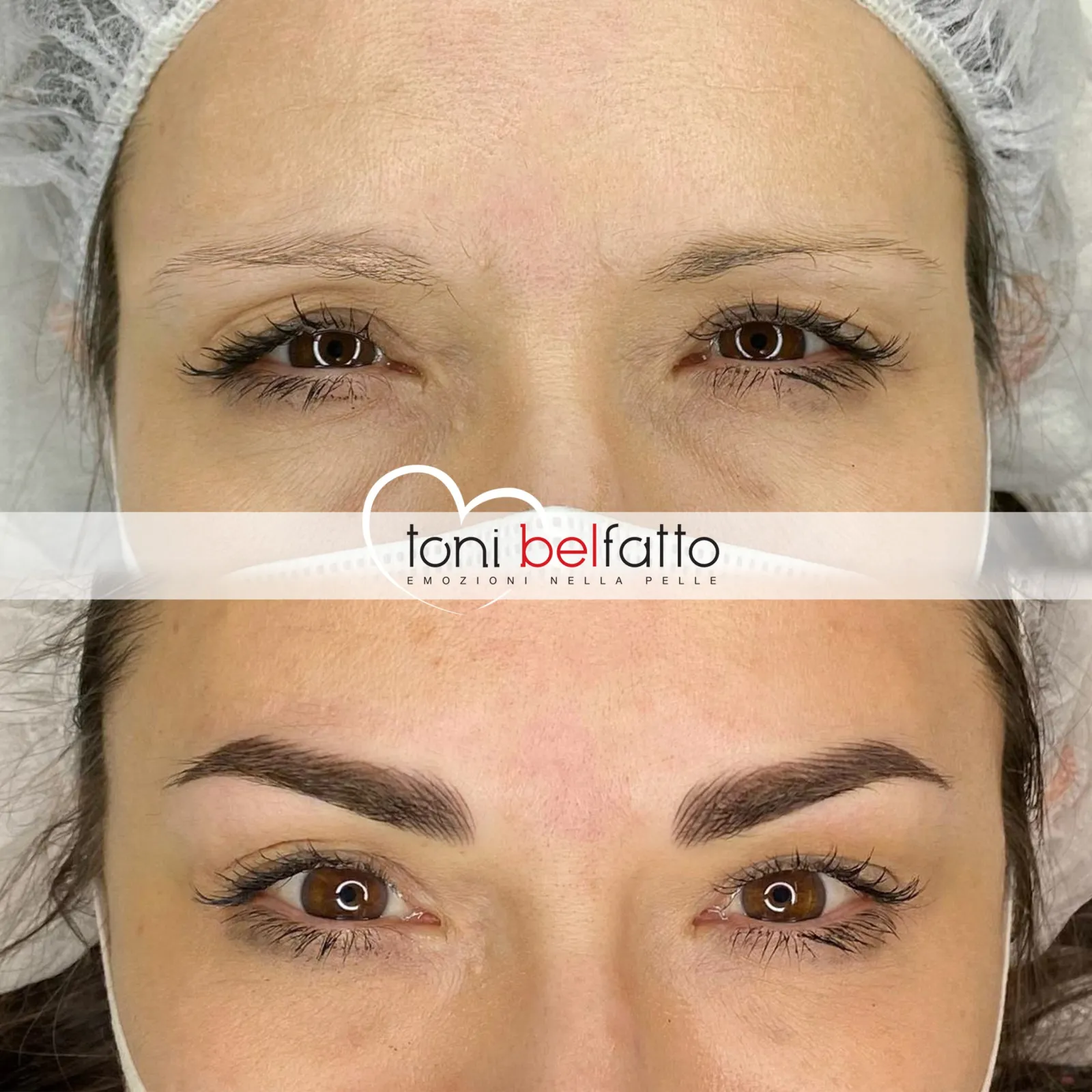
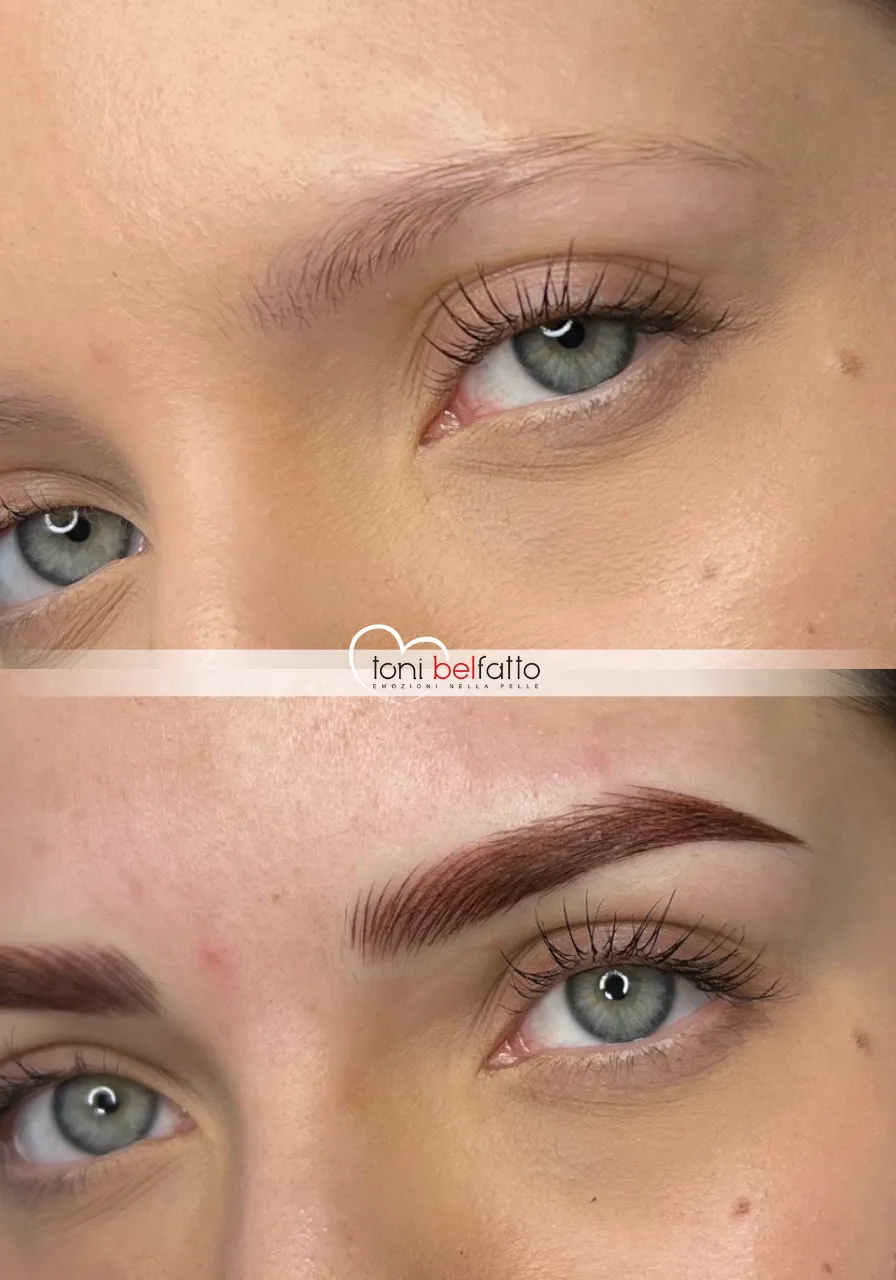
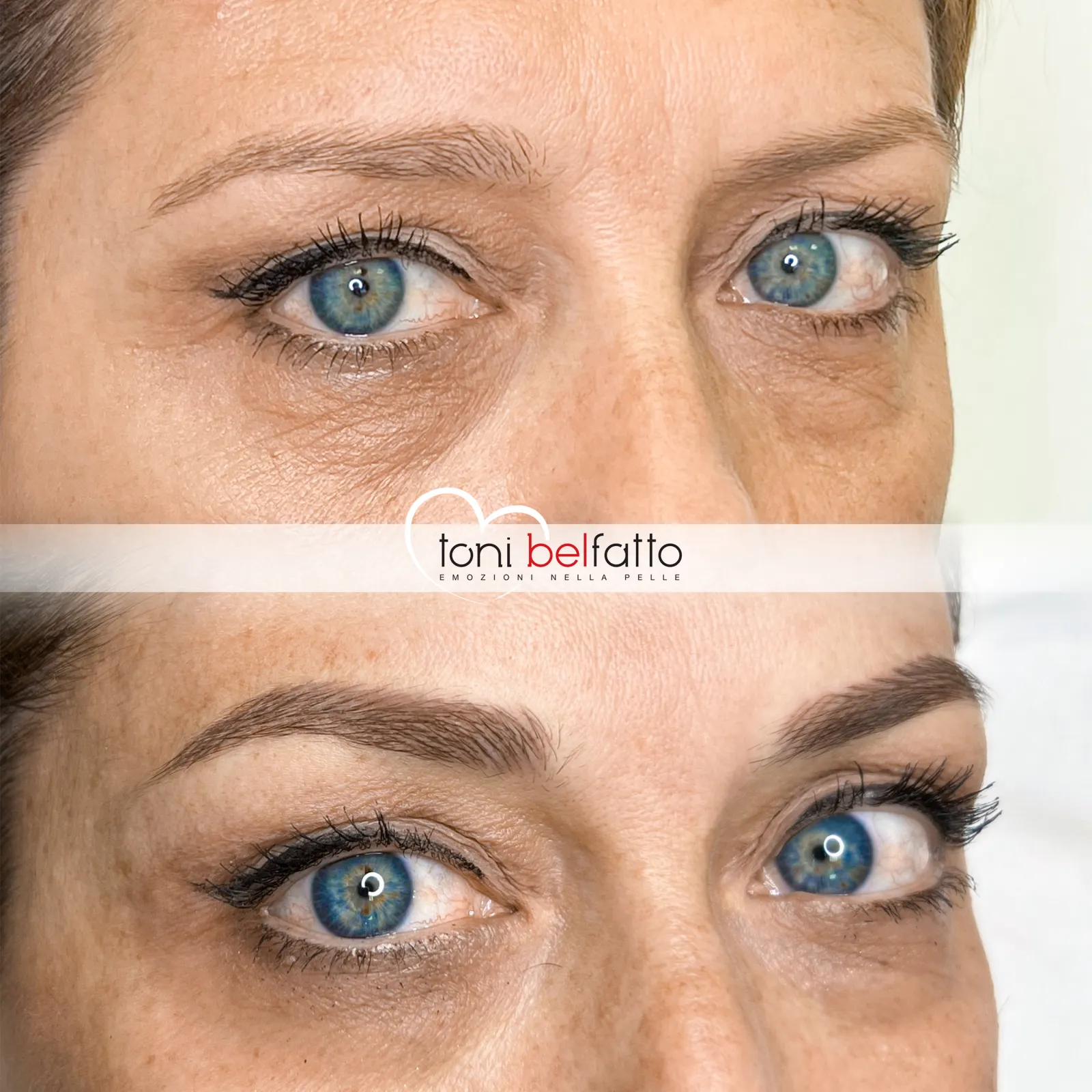
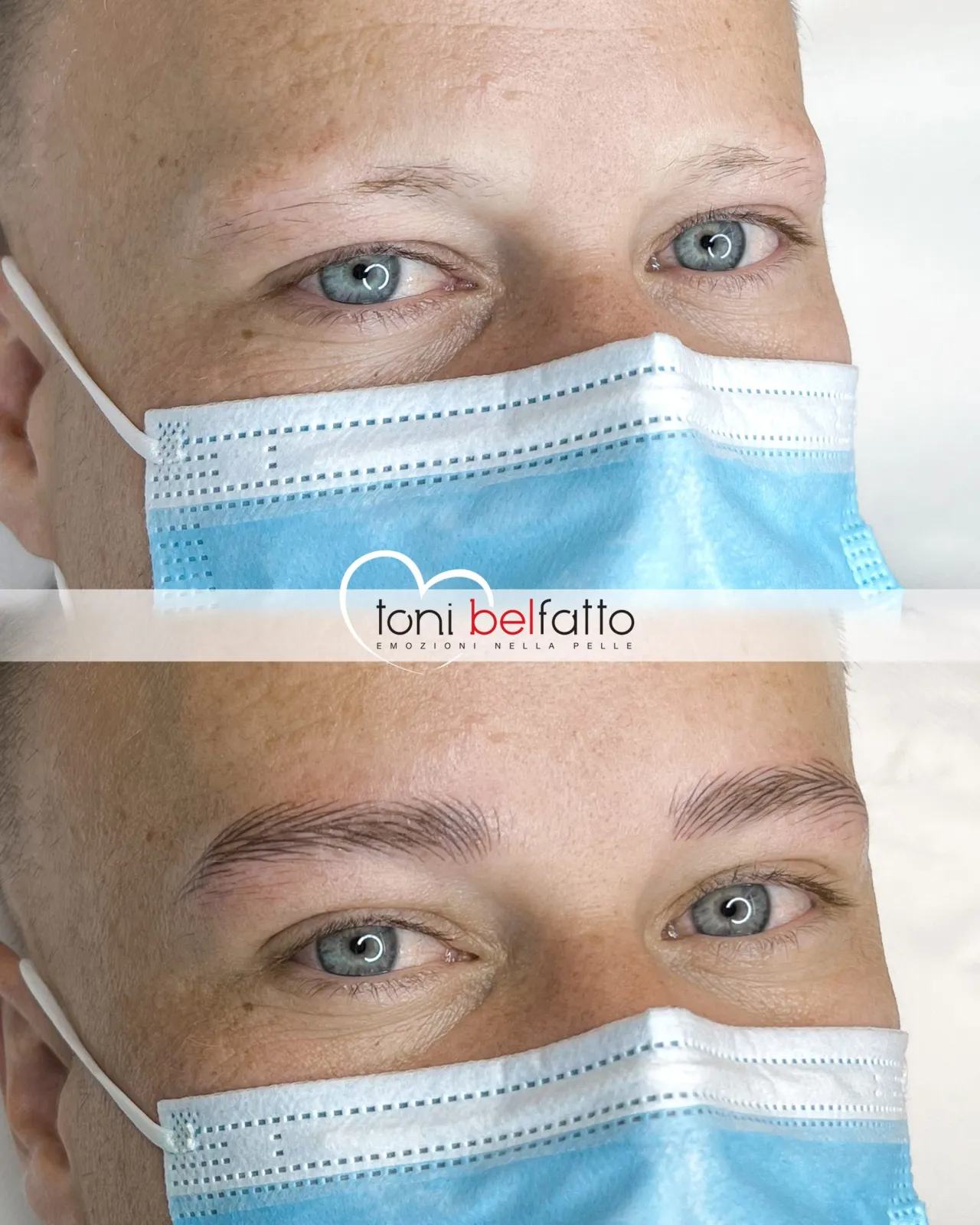
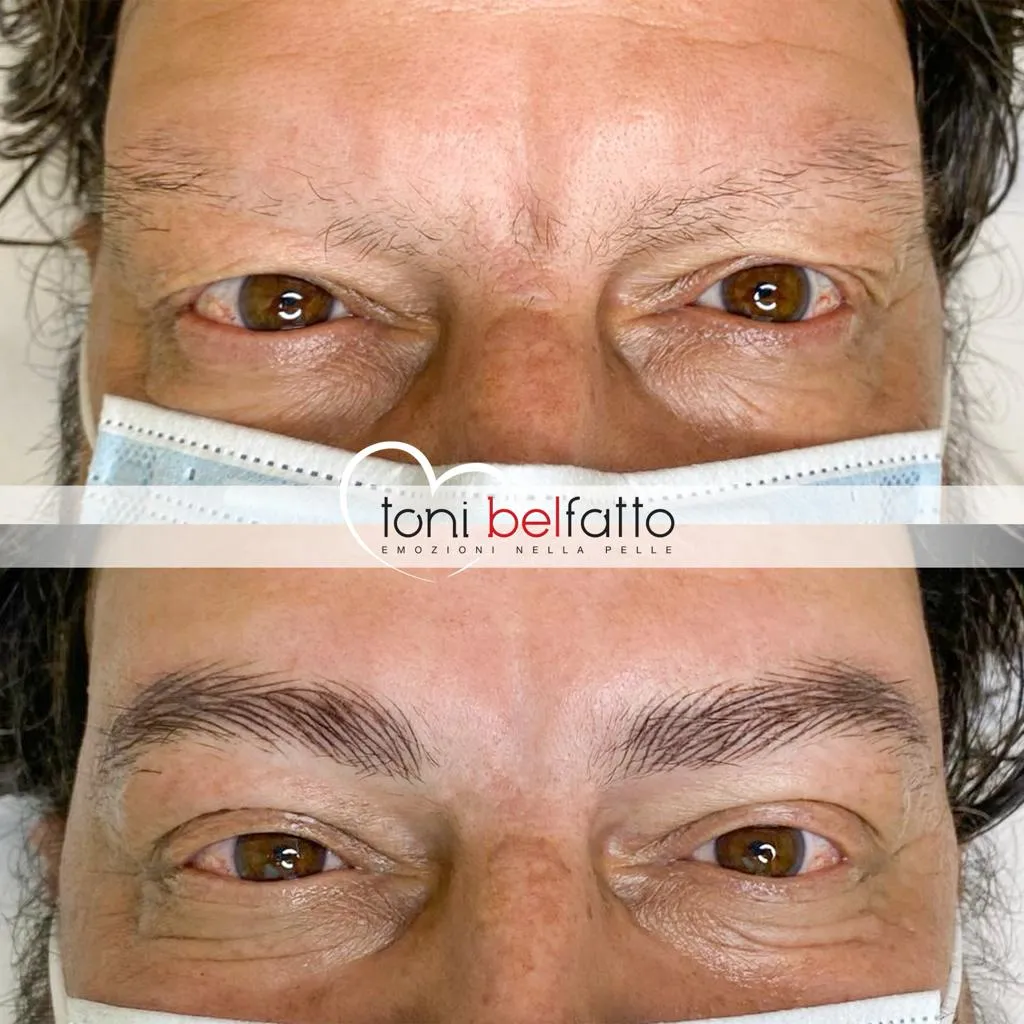
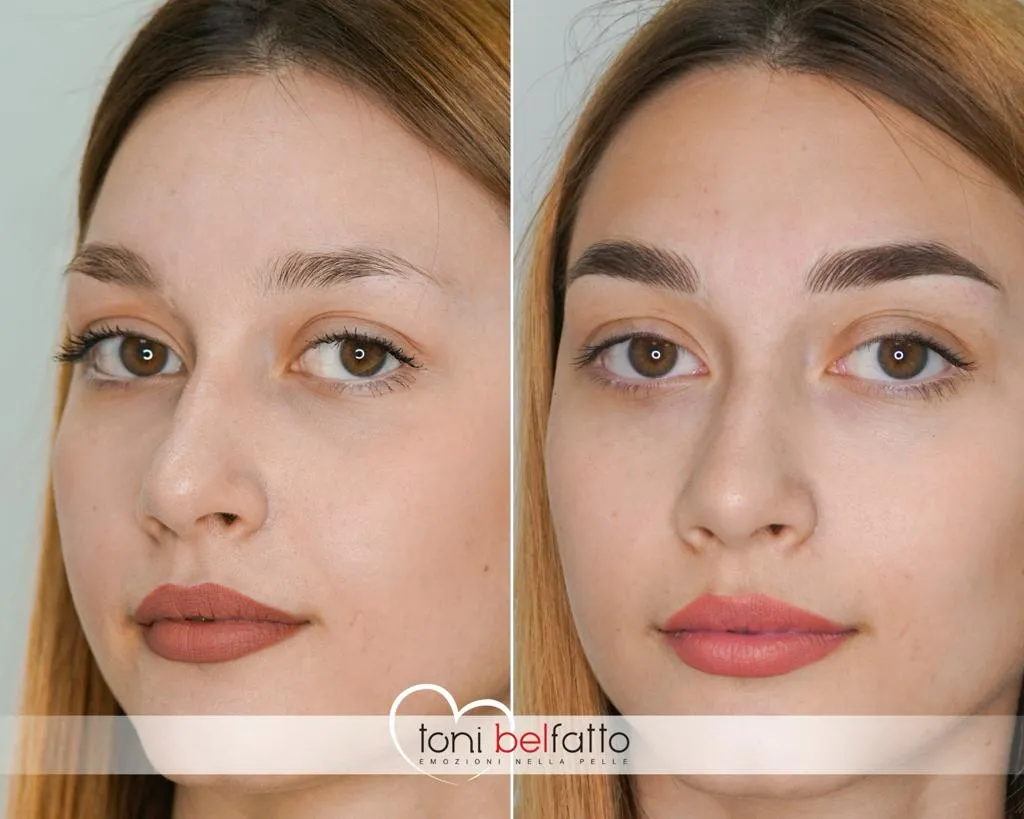
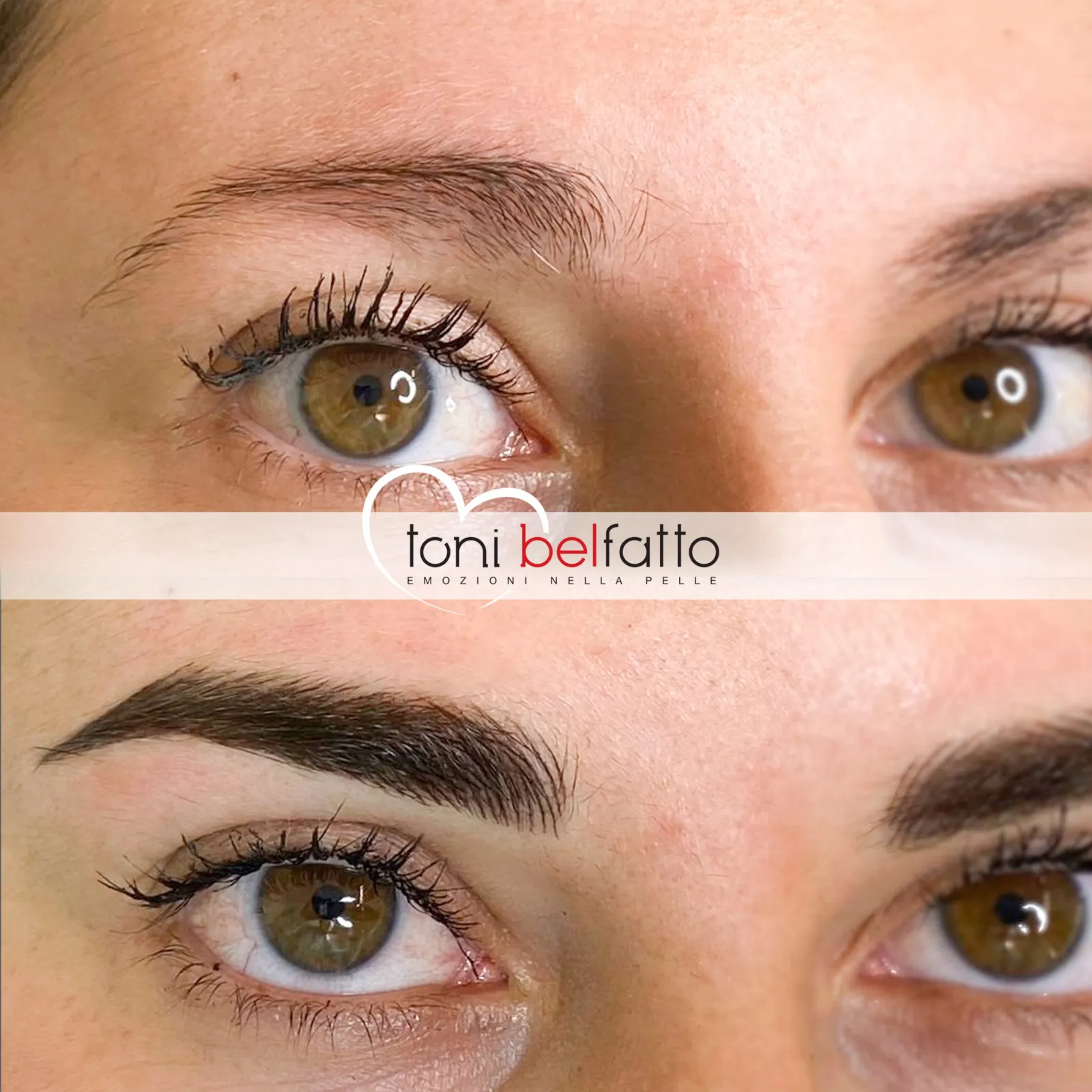
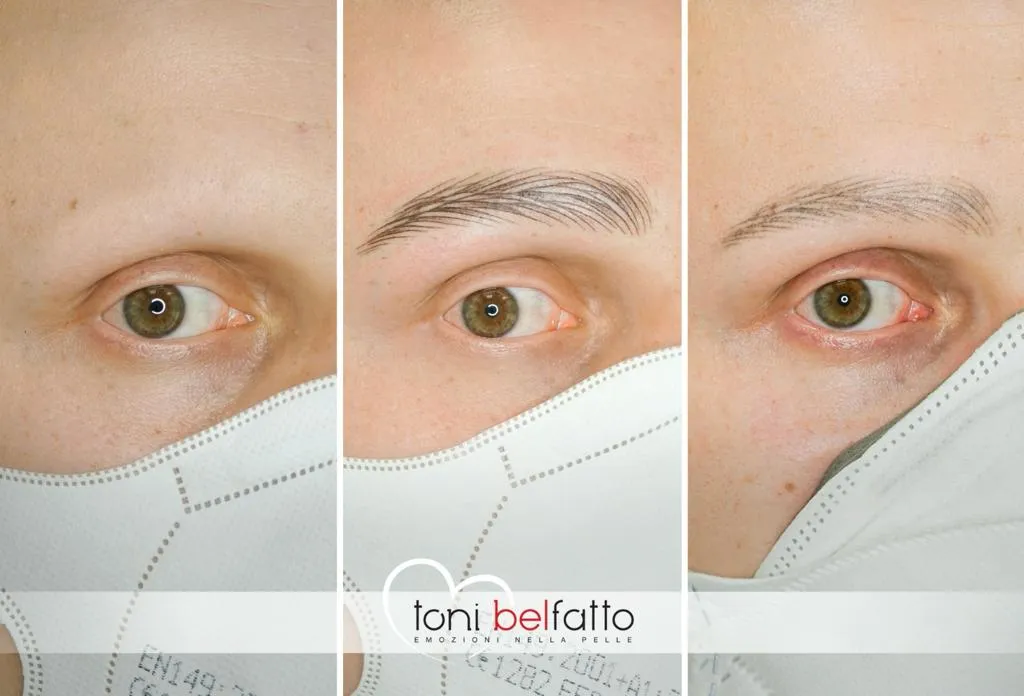
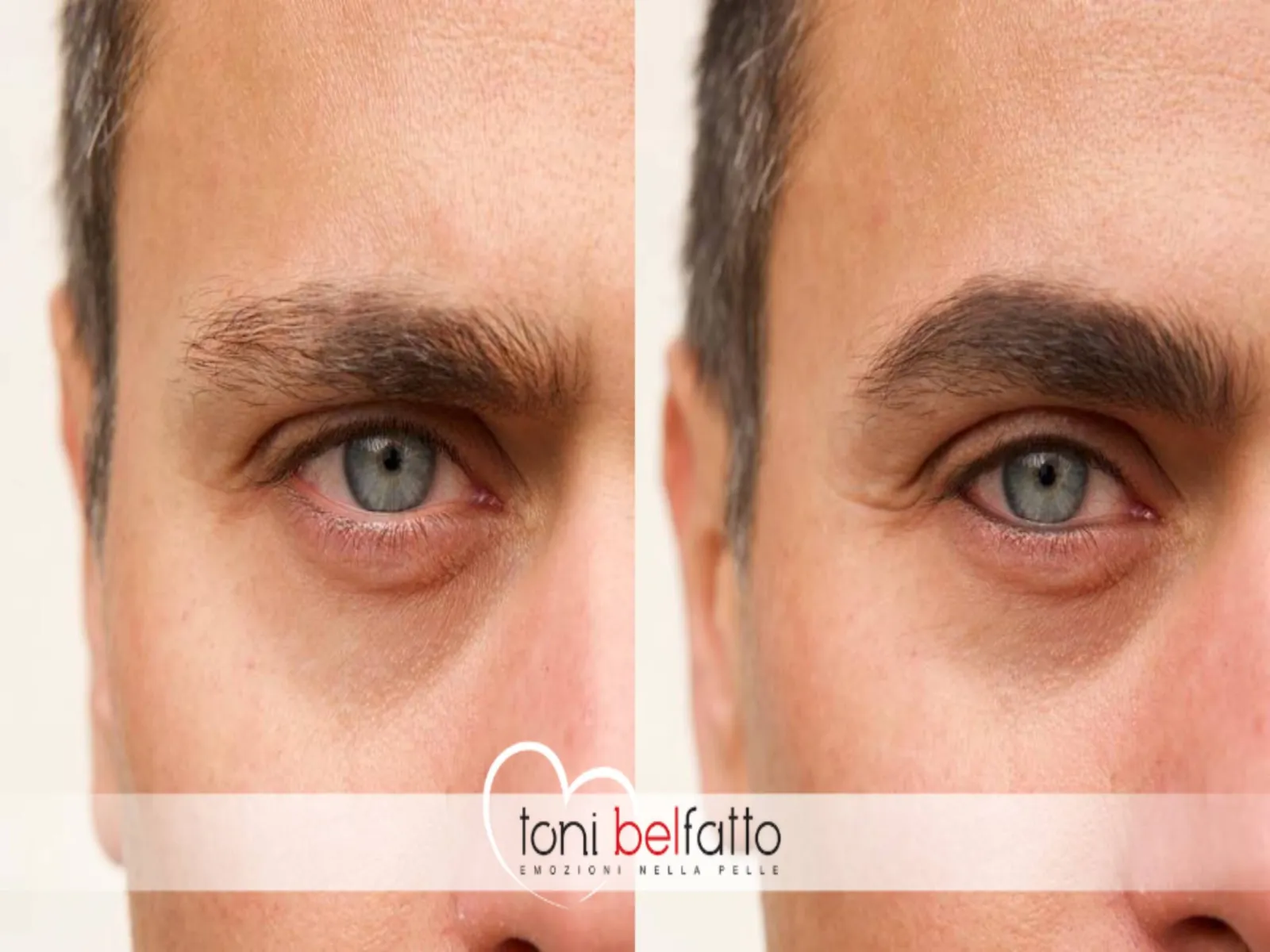
Photos from Belfatto Lab studios, published with clients' consent. Results vary from person to person.
Book a free consultation
Choose the studio and treatment: we will call you back to set the appointment.